Gadgets
Pixel 5A Reviewed: The Best of Google and Android

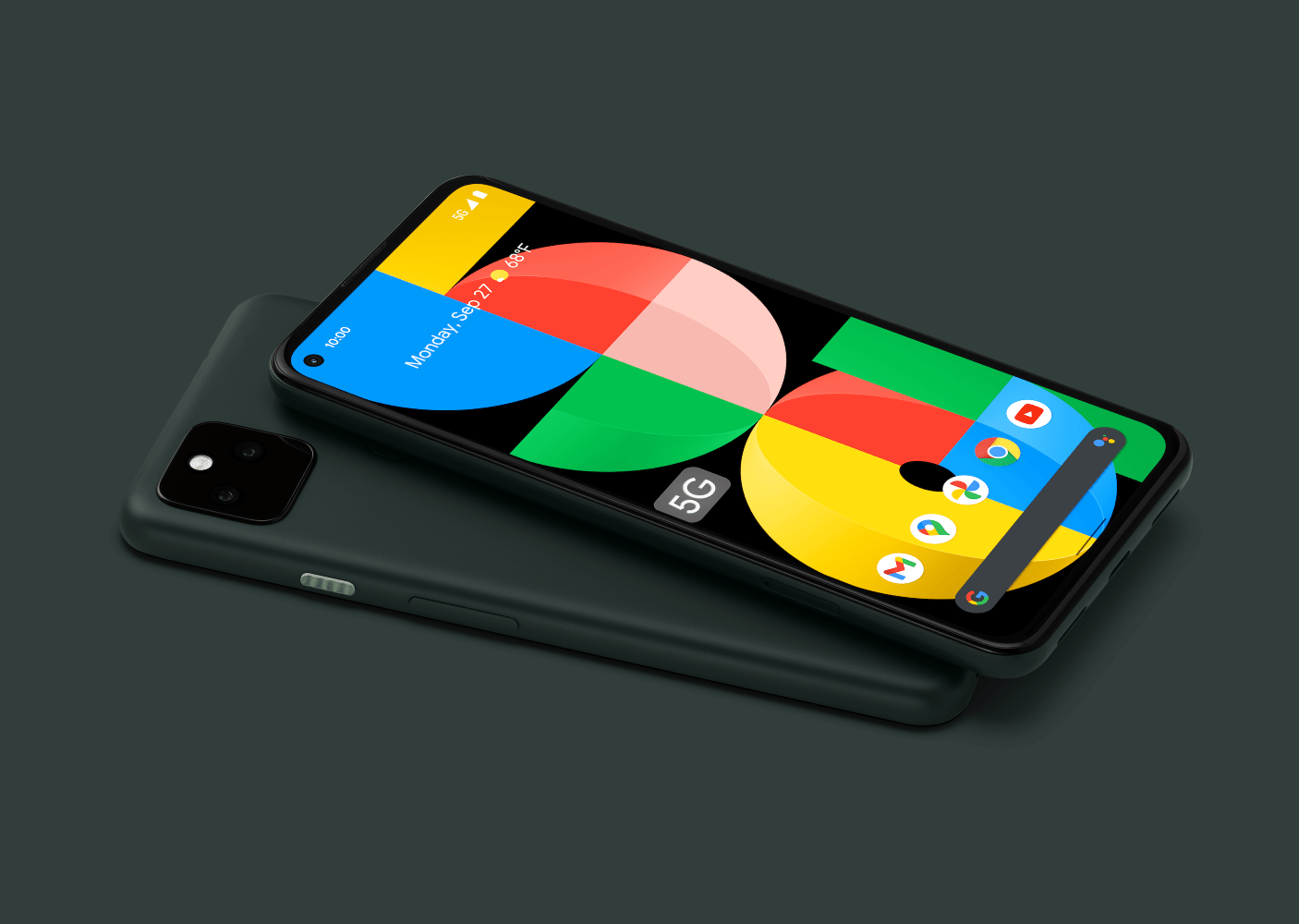
The Pixel 5A is a fine phone, but it’s not perfect. There are a few flaws to be aware of: its security support policy is adequate but not exceptional. It also strangely lacks software support for C-band 5G frequencies, which US carriers will begin using in the coming years. It’s only available in the United States and Japan, and it’s not even available through the big carriers in the United States.
However, Google has managed to remedy some of the shortcomings of its prior A-series models while also lowering the price. That’s not bad for a dull update.
Table of Contents
SCREEN, PERFORMANCE, AND BATTERY FOR THE GOOGLE PIXEL 5A
The Pixel 5A has a 6.34-inch 1080p OLED screen, which is somewhat larger than the 4A 5G’s 6.2-inch screen. That’s hardly a massive screen, especially when compared to the 6.5-inch and larger screens found on inexpensive Android phones. It also employs a regular 60Hz refresh rate, so you won’t enjoy the smoother scrolling experience that comes with higher refresh rates like 90 or 120Hz. From the $300 OnePlus N10 5G’s 90Hz screen to the $500 Galaxy A52 5G’s 120Hz panel, this is a feature that has progressively trickled down from the flagship class and is now available in smartphones around the 5A’s price point.
The screen of the 5A isn’t very impressive, but it’s large enough that it doesn’t look as out of place next to the competition as the 4A and 4A 5G do. It’s also just a good screen – the OLED technology produces rich contrast, and it’s bright enough to be viewed outside in direct sunlight without difficulty. The same cannot be said of some of its competitors’ displays, no matter how large they are.
The processor and memory specifications remain unchanged from the 4A 5G: the Pixel 5A employs the same Snapdragon 765G chipset with 6GB of RAM and 128GB of storage as the 4A 5G. Apps load swiftly, and I didn’t notice any noticeable lags or problems when going about my everyday duties and scrolling through social media.
Complex image processing processes are also completed in a second or two in the background, allowing you to continue snapping portrait mode images without having to wait for each frame to complete processing. I appreciate it as someone who takes far too many portrait mode shots of her cat in the hopes of getting the perfect shot.
The Pixel 5A’s improved battery life over its predecessor is a bigger deal. It has a 4,680mAh battery, compared to 3,885mAh on the 4A 5G. That’s a lot closer to the 5,000mAh batteries that the competition uses. Google calls it “all-day” performance, with up to 48 hours of battery life if extreme battery saver is turned on.
In my real-world tests, I got better results – a day of moderate use with approximately three hours of screentime often drained it down to only 70%. If you’re a heavy user who spends a lot of time on Wi-Fi, you should get at least a day out of the battery, and if you’re a light user who spends a lot of time on Wi-Fi, you should get at least 48 hours.
IP RATING AND BUILD QUALITY OF THE GOOGLE PIXEL 5A
The Pixel 5A has an IP67 dust and waterproof rating, which means it can be immersed for up to 30 minutes in three feet of water. Outside of the Samsung A52 5G and iPhone SE, official IP ratings are uncommon in the $500-and-under category, so this is one area where the 5A shines.
The phone has Gorilla Glass 3 on the front panel for screen protection, and a metal unibody behind the outer plastic shell. I like the matte surface on the plastic panel because it’s less slippery than a shiny finish and hides smudges better.
SOFTWARE FOR GOOGLE PIXEL 5A AND 5G CONNECTIVITY
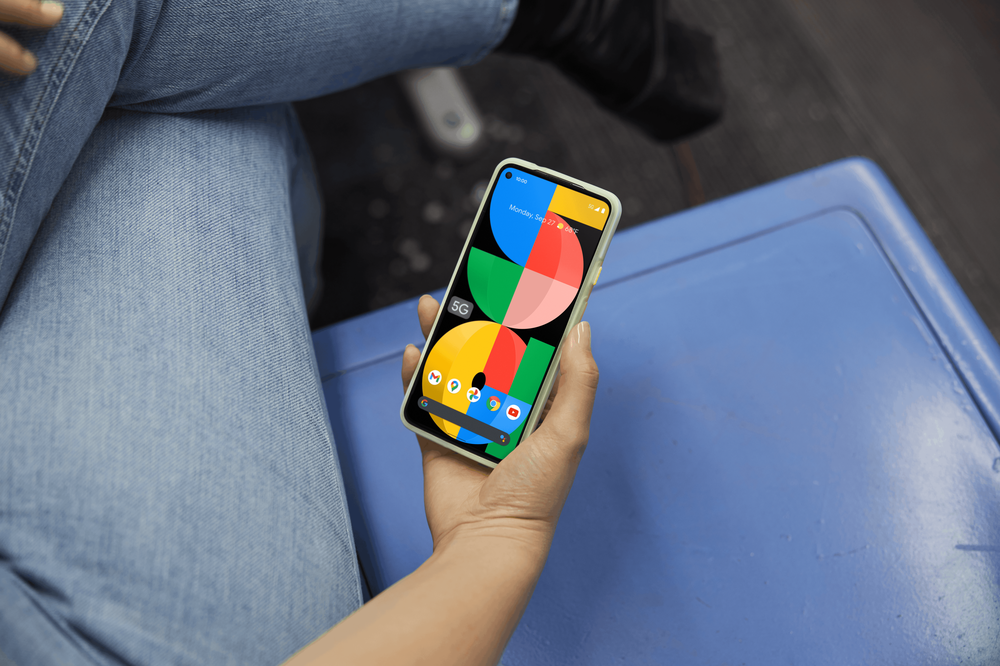
The 5A comes preloaded with Android 11 and comes with Google’s standard three-year OS and security update agreement. Although this is a longer lifespan than most inexpensive phones, Samsung just began providing four years of security upgrades with its A-series handsets, and Apple will patch the six-year-old iPhone 6S this fall.
The Pixel 5A, of course, comes with 5G connection. It will be available on all major US carriers and, unlike the 4A 5G, will not be available in a mmWave-compatible configuration. Verizon insisted on selling phones that could connect to its super-fast, hard-to-find mmWave 5G network, so Google, like many other companies, created a more expensive version of the 4A 5G that could connect to the network for Verizon’s retail shelves. This time, that will not be the case, and no one will be disappointed.
This year, there is only one color option: black. You may add some color to your life with one of the colorful case options, which are designed to protect your phone from drops and bumps. Some, like “black moss” and “maybe moon” (which also sound like Neko Case song titles? ), are more neutral, but I chose “likely lime” for my review unit, and I do not like it. It has a little Nickelodeon vibe about it from the 1990s. Please return the fabric case to me.
The absence of mmWave 5G isn’t a big deal, but the 5A’s lack of C-band capability at launch is. The nice mid-band material that carriers will gradually begin adding at the end of this year and over the next few years is known as C-band. Although the Pixel 5A has the necessary hardware and FCC certification to use C-band, Google has yet to enable software compatibility for these frequencies. It may add support in the future, but it makes no promises.
It’s surprising that Google won’t commit to supporting C-band when there are a slew of budget and midrange phones on the market right now, starting at $279 for the Galaxy A32. T-Mobile consumers won’t have to worry as much because the company won’t be dependent on the C-band as much. However, if you’re on Verizon or AT&T and expect to keep your phone for the next two to three years, this might become a significant disadvantage when those carriers enable C-band and (theoretically) strengthen their 5G networks.
CAMERA- GOOGLE PIXEL 5A
The camera technology on the 5A doesn’t appear to be particularly intriguing on paper, but it adds up to a lot more than the sum of its parts. Optical image stabilization is included in the 12.2-megapixel main back camera, which is rare for a camera under $500. This type of lens-based stabilization ensures that more of your images remain sharp, which is particularly useful in low-light situations.
A 16-megapixel ultrawide camera is also included, as well as an 8-megapixel selfie camera. When compared to rival phones’ triple- and quad-rear camera arrays, this may not seem like much, but those third and fourth cameras are usually low-quality macro and depth sensors that aren’t really useful anyhow.
If those specifications sound familiar, it’s because they’re the same as the Pixel 5 and Pixel 4A 5G, which is fine for this model. Despite the lack of new sensors or lenses, the 5A still has the greatest photo quality in the midrange segment, thanks in large part to Google’s intelligent image processing. While many of the Pixel 5A’s competitors can capture good images in bright outside light, Google remains the budget class’s low light winner.
What was true of the imaging capabilities of the 4A and 5 is likewise true of the 5A. It does a good job with high-contrast scenarios, and colors are portrayed more organically than on a Samsung phone. Portrait and night mode images are among the best you’ll find on a midrange phone, however you’ll notice their limitations when photographing more difficult subjects. When it comes to equipping the Pixel 6 to compete with the world’s Samsung and Apple flagships, Google has a lot of work ahead of it. It can afford to hold stationary for another year in the budget class because it has such a strong start.
There are phones in the $400 and $500 range that have more flashy distinguishing features than the Google Pixel 5A. The Samsung Galaxy A52 5G comes with a 6.5-inch display with a 120Hz refresh rate. The TCL 20 Pro has a curved display similar to that of a flagship phone and supports wireless charging. The Motorola Moto G Stylus features a large display and a stylus, of course.
The Pixel 5A, on the other hand, is a good all-arounder with a wonderful UI, quick software upgrades, and all of the essentials covered at a fair price. The 4A 5G was already a good phone, but the 5A’s clever additions, like as waterproofing and a larger battery, make it easier than ever to recommend it to a wide spectrum of individuals.
There’s also the issue of C-band 5G and whether or not Google would support it in the future. It’s difficult to envision the corporation refusing to support it after the frequencies are widely used, but we feel you shouldn’t buy a device today because of a hypothetical update tomorrow. Customers of Verizon and AT&T should be aware of this.
It’s a shame the Pixel 5A will have such a limited distribution, both in terms of countries where it will be accessible and in terms of where it will (and won’t) be sold in the United States, because it’s a phone I’d suggest to a lot of people. It outperforms the competition in some areas, like as camera quality and waterproofing, while falling short in others, such as screen size and battery life.
Because of its restricted availability, it appears to be more of a “if you know you know” device than the phone you recommend to your uncle when he wonders what to get with his two-year carrier upgrade package. That’s a shame, because this is a very boring, very decent phone that I believe many people would enjoy.

Gadgets
Best Smartphones of 2026: Top Picks That Are Worth Every Penny
Discover the best smartphones of 2026 — from the Samsung Galaxy S26 Ultra and iPhone 17 Pro Max to the Google Pixel 9 Pro and OnePlus 14 Pro. Our detailed guide covers specs, features, and which phone is right for you.

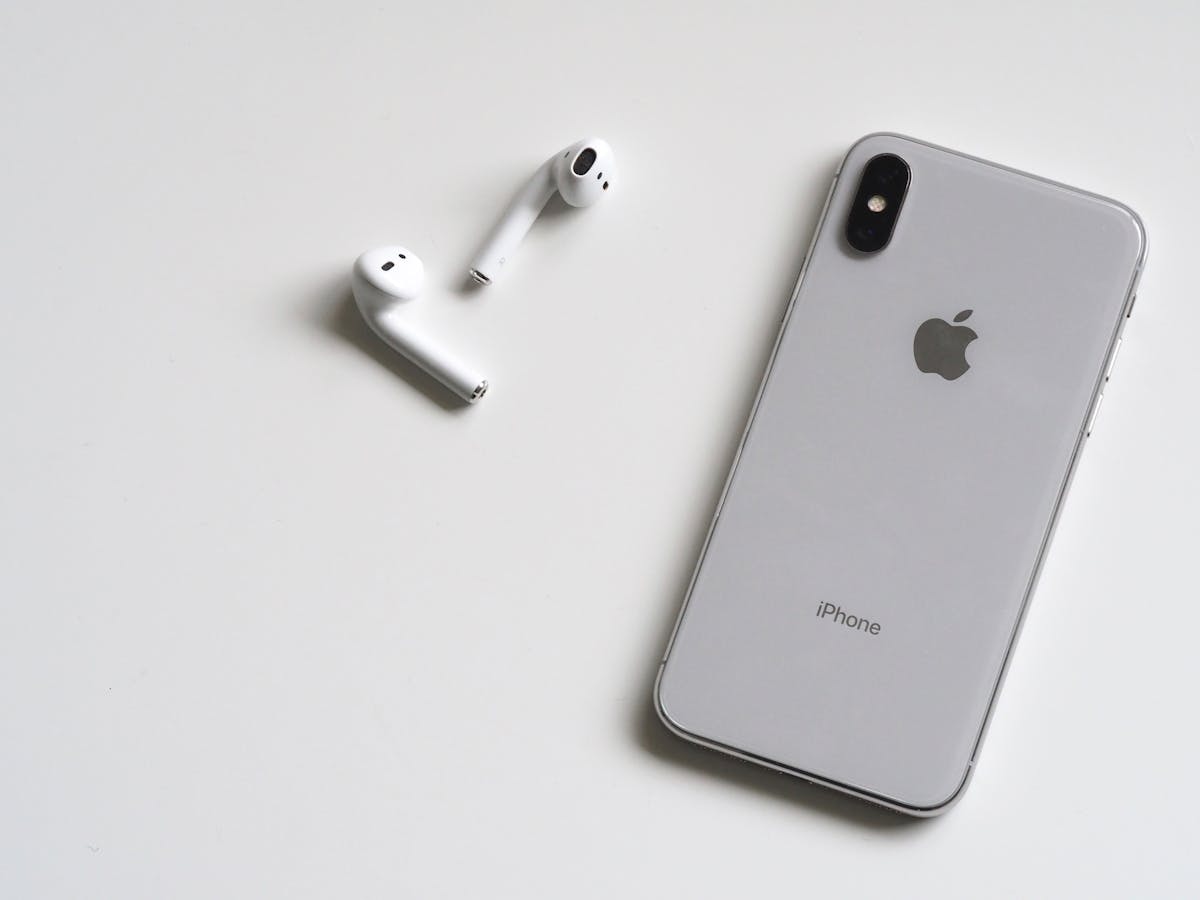
The smartphone market in 2026 is more exciting – and more competitive – than ever before. With foldable screens going mainstream, AI-powered cameras becoming the new standard, and battery technology finally catching up with our always-on lifestyles, there’s never been more choice at every price point. The lines between what was once considered premium and mid-range have blurred significantly – and that’s great news for everyone.
At The Tech Vamps, we’ll continue bringing you the most detailed, up-to-date coverage of everything happening in the smartphone world. Stay tuned for in-depth reviews of each device on this list – coming soon!
Table of Contents
1. iPhone 17 Pro Max – The Ultimate Flagship Experience
Apple’s latest flagship is everything you’d expect from a device carrying the “Pro Max” moniker. The 6.9-inch ProMotion LTPO display with 120Hz adaptive refresh rate delivers buttery-smooth scrolling and gaming, while the new A19 Bionic chip absolutely demolishes every benchmark thrown at it.
What sets it apart: The computational photography improvements are staggering. The 48MP main sensor, combined with the new periscope telephoto lens offering 10x optical zoom, makes this the best camera phone money can buy. Night mode has been refined to the point where low-light shots rival dedicated cameras.
Battery life has also seen meaningful gains – you’re looking at nearly two days of moderate use thanks to the more efficient chip and larger 5,000mAh battery. Face ID works flawlessly even in complete darkness, and the new titanium frame feels premium without adding unnecessary weight.
Price: Starting at $1,299 | Best for: Power users, photographers, iOS ecosystem loyalists
2. Samsung Galaxy S26 Ultra – The Android Powerhouse
Samsung continues to push the boundaries with the S26 Ultra, packing in features that put it toe-to-toe with the iPhone – and in some areas, surpassing it entirely. The 6.8-inch Dynamic AMOLED display with adaptive 1-120Hz refresh rate is simply stunning, with peak brightness hitting 2,800 nits for exceptional outdoor visibility.
Camera system: This is where Samsung truly shines. The quad-camera setup includes a 200MP main sensor, a 50MP periscope telephoto with 5x optical zoom, a 12MP ultra-wide, and a dedicated 10MP 3x telephoto. The level of detail captured – especially in 200MP mode – is remarkable.
The integrated S Pen remains a unique selling point, perfect for note-taking and creative work. Performance is stellar thanks to the Snapdragon 8 Gen 4 processor, coupled with up to 16GB of RAM. Multitasking is effortless, and gaming performance rivals dedicated gaming phones.
Price: Starting at $1,199 | Best for: Android enthusiasts, productivity users, photography lovers
3. Google Pixel 9 Pro – AI Photography Redefined
Google’s Pixel line has always been about intelligent software making up for less impressive hardware specifications – but the Pixel 9 Pro changes that equation. For the first time, Google has built a phone that excels in both hardware AND software.
The 6.7-inch LTPO OLED display supports 120Hz and features Google’s proprietary “Actua” display technology for incredible color accuracy. But it’s the camera where the Pixel 9 Pro truly dominates. The 50MP main sensor and 48MP telephoto work in perfect harmony with Google’s Tensor G4 chip and advanced AI algorithms.
Magic Editor has evolved dramatically – you can now completely reimagine photos, moving objects, changing backgrounds, and even adjusting lighting conditions post-capture. The “Best Take” feature ensures you’ll never have a photo ruined by someone blinking or looking away.
Real-world performance is snappy, though not quite matching the raw horsepower of the iPhone or Galaxy. Battery life is solid at a full day with the 5,050mAh battery, and the clean Android 17 experience remains unmatched.
Price: Starting at $999 | Best for: Photography enthusiasts, pure Android fans, AI early adopters
4. OnePlus 14 Pro – The Value Flagship
OnePlus has always positioned itself as the “flagship killer,” and the 14 Pro continues that tradition beautifully. You get premium specifications at a more palatable price point, making this one of the best value propositions in the flagship space.
The 6.82-inch QHD+ AMOLED display with LTPO 4.0 technology delivers smooth 120Hz performance while intelligently conserving battery. The Snapdragon 8 Gen 4 processor ensures you’re not sacrificing performance for the lower price.
Charging capabilities are industry-leading: 150W SuperVOOC wired charging takes you from 0-100% in just 18 minutes, while 50W wireless charging is among the fastest available. The Hasselblad-tuned camera system produces natural, accurate colors that many prefer over the sometimes over-processed shots from competitors.
OxygenOS 17 strikes a good balance between features and bloat, though it’s not quite as clean as stock Android. Build quality is excellent, with a premium glass-and-metal construction that doesn’t feel like a compromise.
Price: Starting at $899 | Best for: Value seekers, fast-charging enthusiasts, balanced performance
5. Xiaomi 16 Ultra – The Camera Specialist
Xiaomi’s Ultra series has become synonymous with camera excellence, and the 16 Ultra takes that reputation to new heights. Co-engineered with Leica, this phone packs one of the most versatile camera systems available.
The massive 1-inch main sensor captures exceptional detail and dynamic range, while the variable aperture (f/1.4-f/4.0) gives you DSLR-like depth-of-field control. The dual telephoto setup offers both 3.2x and 5x optical zoom, and the computational photography produces stunning results in all conditions.
The 6.73-inch AMOLED display is gorgeous, and performance from the Snapdragon 8 Gen 4 is excellent. The 5,300mAh battery with 120W wired and 80W wireless charging ensures you’re never tethered to an outlet for long.
International availability remains limited, and MIUI 18 (despite improvements) still feels heavy compared to cleaner Android skins. But for photography enthusiasts willing to import or those in markets where it’s officially sold, this is a serious contender.
Price: Starting at $1,099 | Best for: Photography pros, camera enthusiasts, international users
6. Oppo Find X8 Pro – The Display Champion
Oppo’s Find X series has always emphasized display quality, and the X8 Pro features what many consider the best smartphone screen in 2026. The 6.82-inch AMOLED panel with micro-lens array technology delivers phenomenal brightness, color accuracy, and viewing angles.
The Hasselblad partnership continues here as well, bringing professional color grading to mobile photography. The quad-camera setup is versatile and capable, though not quite matching the Xiaomi or Samsung in raw capability.
What Oppo excels at is software features: ColorOS 17 is feature-rich without feeling overwhelming, multitasking implementations are clever, and the overall user experience is polished. The 5,000mAh battery with 100W charging and excellent optimization easily lasts a full day.
Price: Starting at $999 | Best for: Display quality seekers, multimedia consumers, feature enthusiasts
Final Thoughts
2026 is genuinely one of the best years to be a smartphone buyer. Whether you’re investing in a flagship powerhouse like the iPhone 17 Pro Max or Samsung Galaxy S26 Ultra, exploring the AI-photography excellence of the Pixel 9 Pro, or going for the value-packed OnePlus 14 Pro or Xiaomi 16 Ultra, there’s never been more choice at every price point. The lines between what was once considered premium and mid-range have blurred significantly – and that’s great news for everyone.
At The Tech Vamps, we’ll continue bringing you the most detailed, up-to-date coverage of everything happening in the smartphone world. Stay tuned for in-depth reviews of each device on this list – coming soon!
Image Credits: All photos used in this post are from Pexels and are free to use for commercial and non-commercial purposes under the Pexels License. Individual photographer credits are provided in image captions.
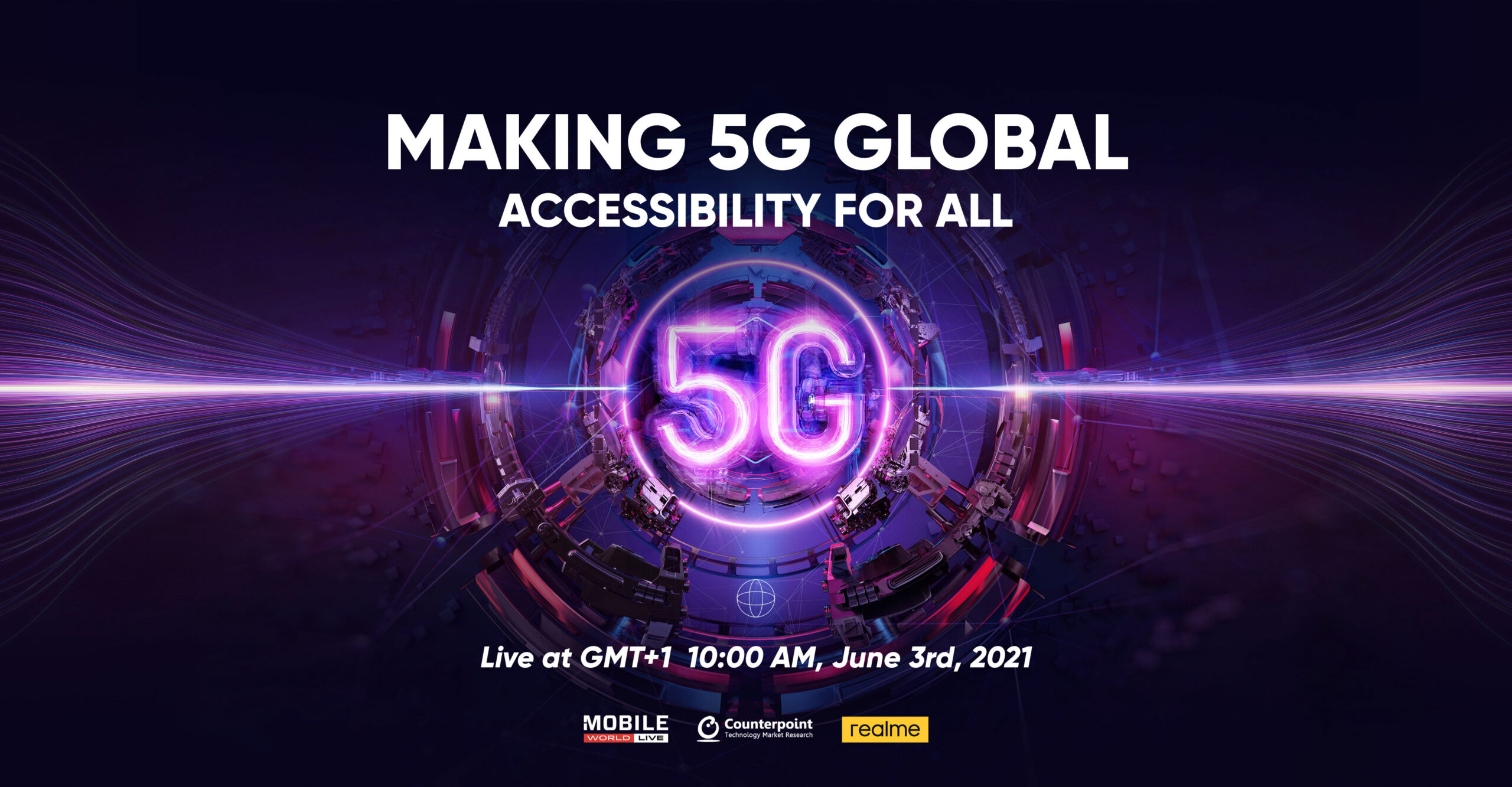
According to a recent survey, Realme was the fastest-growing 5G Android smartphone brand in the world in Q3 2021, with sales up 831 percent year over year (YoY). Realme’s sales also outperformed global 5G smartphone sales, which increased by 121 percent year over year.
In India, where 5G technology has yet to be implemented, Realme’s 5G sales climbed 9,519 percent year over year. According to the Department of Telecommunications (DoT), 5G telecom services would be available in certain Indian cities in 2022, a year when demand for 5G devices is likely to increase.
According to Counterpoint Research’s monthly Market Pulse Service report, Realme’s sales growth enabled the company maintain its sixth-place ranking in worldwide 5G Android smartphone sales for the second quarter in a row.
Realme India CEO Madhav Sheth stated earlier this year that the company aspires to be India’s 5G leader. In addition, the company is working to introduce 5G technology to the sub-Rs. 10,000 market. Realme’s excellent multi-channel strategy and a large 5G offering across pricing bands, according to Research Director Tarun Pathak, helped it expand the fastest.
Its sister brands Oppo (165 percent growth) and Vivo (147 percent growth) came in second and third place in the worldwide market, respectively, selling mid-to-high-end 5G smartphones. BBK Electronics, based in China, owns all of these businesses.
Another Chinese firm, Xiaomi, came in fourth place with a 134 percent year-over-year increase in 5G smartphone sales. Samsung came in fifth place, with a 70 percent increase from Q3 2020. In Q4 2020, Apple, the current 5G market leader, will enter the 5G smartphone market.
“5G has permeated the market far faster than its predecessor. As 5G technology advances, we enter the next phase of expansion, which will be aided by maturing and expanding device portfolios. Furthermore, due to the increased availability of 5G components, the firms actively promoted 5G handsets,” Pathak noted.
In terms of regional growth, Realme 5G smartphone sales increased 9,519 percent year over year in India, a country that will introduce 5G technology in select locations in 2022. China had the second-best growth, with 5G sales increasing by 830 percent year over year, making it one of China’s fastest-growing 5G smartphone brands. Europe had the third-highest growth rate.
“As 5G rollouts increase up, Realme’s 5G expansion in emerging regions has also positioned it well for the future.” All OEMs will need to focus on affordability and accessibility in order to take advantage of the massive 5G opportunity,” said Varun Mishra, Senior Analyst.
Neural Implants 2026: Neuralink and Brain-Computer Interfaces Become Reality
6G Networks Coming in 2026: What’s Beyond 5G and Why It Matters
AI Agents Are Taking Over: How Gemini’s Task Automation Changes Everything
Best Smartphones of 2026: Top Picks That Are Worth Every Penny

Peering Through the Apple Vision Pro: A New Perspective on Smart Glasses

The Age of Generative Photography in Art: Transforming Pixels into Masterpieces

Introducing the Powerful M3 Chip: Redefining the MacBook Pro Experience

Exploring the Advanced Features of Chat GPT-4: The Next-Level AI-Language Model

TheTechVamps is Back: A New Chapter Begins

Fastest Growing 5G Smarphone Brand Globally : Q3 2021 Reports

Download Grand Theft Auto V Reloaded (Ultimate Repack)

Make Custom Fortnite Skin in 6 easy steps

Are Bitcoin Transactions Anonymous? Everything Explained

How to Stop Discord From Opening On Startup – Full Guide
Top 7 Games You Can Play With Intel HD 5500, 8GB of RAM, and an Intel i5 Processor

What Is Quickbooks Online – Top Benefits of the Software Package

Email Archiving Open Source – What You Must Learn

10 Best Fortnite Discord Servers of 2020 – Links Included

What is The Name of the General Ledger that Tracks all Bitcoin Transactions?

How to Convert Website Traffic into Qualified Leads using Fastbase and Google Analytics
-

 Gaming6 years ago
Download Grand Theft Auto V Reloaded (Ultimate Repack)
-

 Gaming6 years ago
Make Custom Fortnite Skin in 6 easy steps
-
 Cryptocurrency6 years ago
Are Bitcoin Transactions Anonymous? Everything Explained
-
Technology6 years ago
How to Stop Discord From Opening On Startup – Full Guide
-

 Gaming6 years ago
Top 7 Games You Can Play With Intel HD 5500, 8GB of RAM, and an Intel i5 Processor
-

 Technology6 years ago
What Is Quickbooks Online – Top Benefits of the Software Package
-
Technology6 years ago
Email Archiving Open Source – What You Must Learn
-

 Gaming6 years ago
10 Best Fortnite Discord Servers of 2020 – Links Included