
Gadgets
15 Best 144Hz Gaming Laptop you can buy in 2020

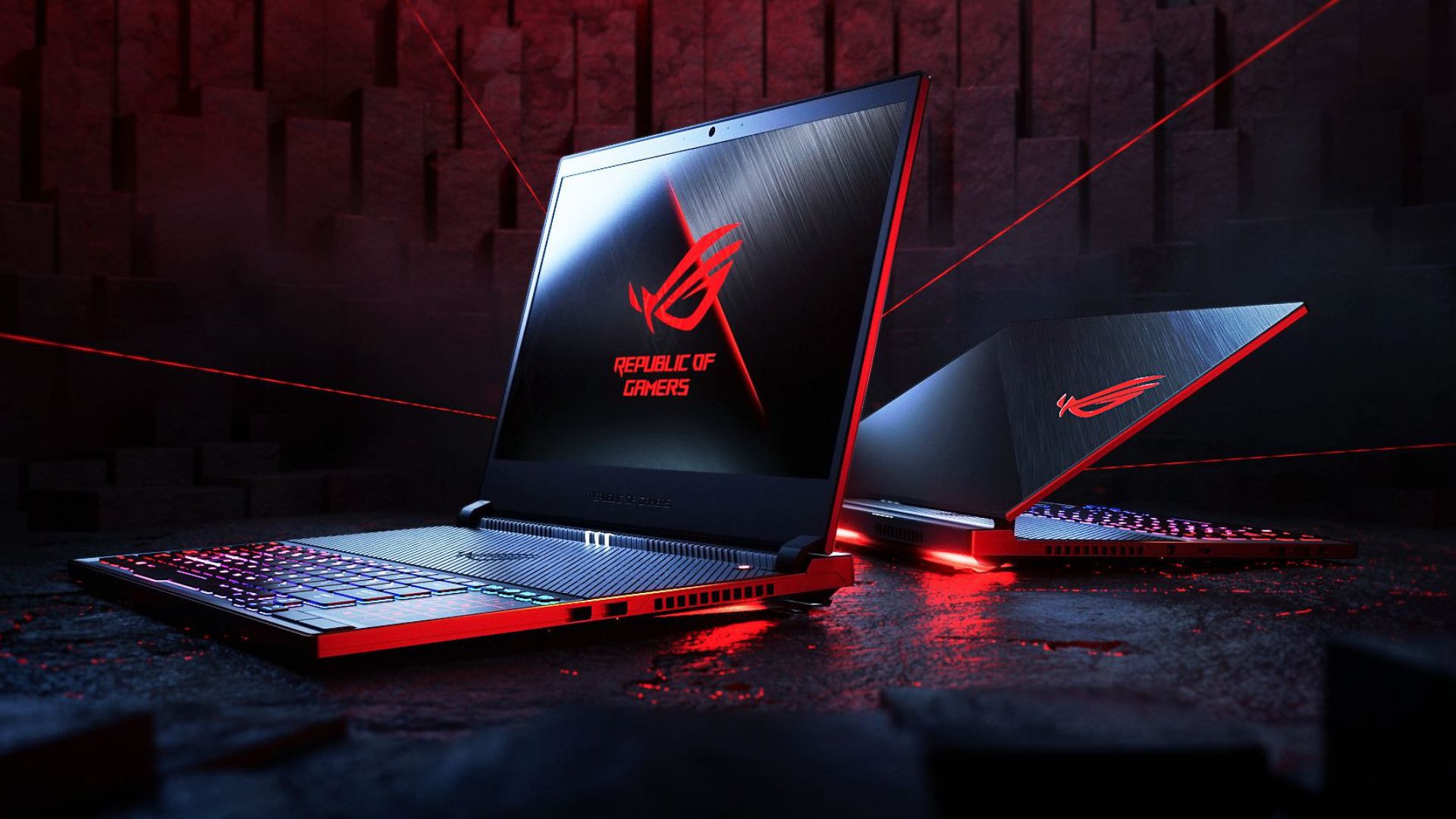
Are you guys looking for the Best 144Hz Gaming Laptop you can buy in 2020? Search no more because you have just reached the right place for that.
Our Editors at The Tech Vamps have compiled for you possibly the Best 144Hz Gaming Laptops you can buy right now.
Making the right choice while buying a gaming Laptop which runs at 144Hz is crucial because one wrong step can ruin your whole gaming Experience. We also do understand that maybe many of you might be Wondering what a 144Hz Gaming Laptop Means?
Table of Contents
- What are 144 Hz Gaming Laptops?
- Best 144 Hz Gaming Laptops in 2020
- 1. All-Rounder: ROG Strix G17
- 2. Best for battery: HP Omen 15
- 3. Best for RTX 2060: Acer Predator Helios 300
- 4. Best for Ryzen 7 – ROG Zephyrus G15
- 5. Best laptop under 1000$ – Acer Nitro 5
- 6. Dell’s Best: Alienware M15
- 7. Best of Razer and Thinnest: Razer Blade 15
- Final Verdict
What are 144 Hz Gaming Laptops?
A 144 Hz Gaming Laptop is a one which has a display with a Refresh Rate of 144Hz. Refresh rate refers to the number of times your display refreshes or updates per second.
The Higher the number of the Refresh Rate, the Better will be your gaming Experience.
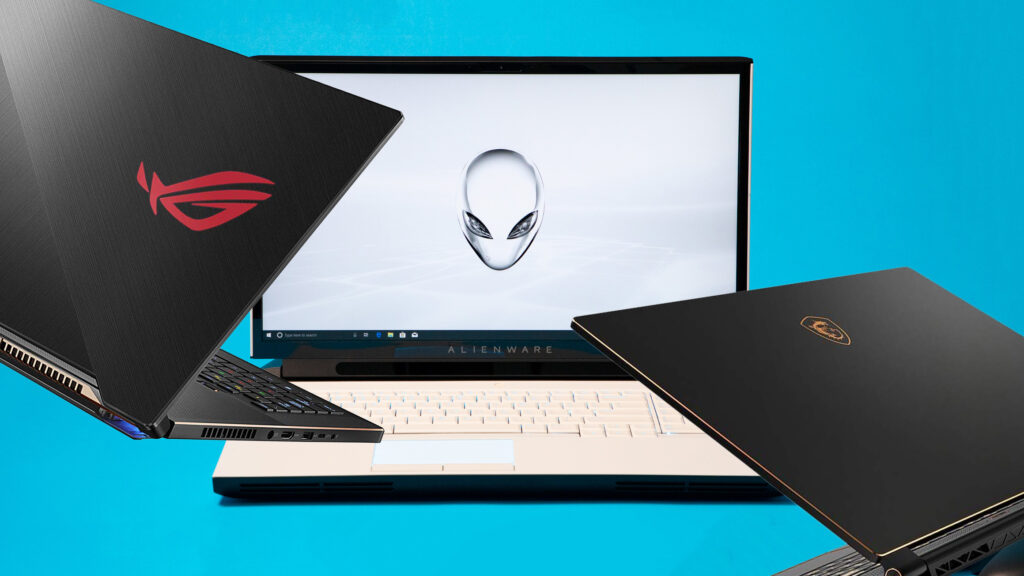
These kind of High Refresh Rate displays provide a really smooth and competitive gameplay for all your gaming needs. They Ensure that those higher Refresh Rates always gives you a higher competitive advantage over your opponents while you are gaming.
| LaptopModel | Specifications | Screen Specifications | Price and Availability |
| ASUS TUF Gaming A15 | -AMD Ryzen 7 4800H -GeForce GTX 1660Ti | 15.6″ FHD – 144Hz, 3ms, IPS, 72% NTSC | Click here |
| Acer Predator Helios 300 | -9th Gen. Intel Core i7-9750H -GeForce GTX 1660Ti | 15.6″ FHD, 144Hz, 3ms, IPS, 72% NTSC | Click here |
| Acer Predator Helios 300 | -9th Gen. Intel Core i7-9750H -GeForce RTX 2060 | 15.6″ FHD, 144Hz, 3ms, IPS, 72% NTSC | Click here |
| Acer Predator Helios 700 | -9th Gen. Intel Core i7-9750h -GeForce RTX 2070 | 17.3″ FHD, 144Hz, IPS, 72% NTSC, G-SYNC | Click here |
| Acer Predator Triton 500 | -9th Gen. Intel Core i7-9750H -GeForce RTX 2060 | 15.6″ FHD, 144Hz, 3ms, IPS, 72% NTSC | Click here |
| Acer Predator Triton 500 | -8th Gen. Intel Core i7-8750H -GeForce RTX 2080 Max-Q | 15.6″ FHD, 144Hz, 3ms, IPS, 72% NTSC, G-SYNC | Click here |
| Alienware M15 | -8th Gen. Intel Core i7-8750H -GeForce RTX 2060 | 15.6″ FHD, 144Hz, IPS, 72% NTSC | Click here |
| Alienware 17 | -9th Gen. Intel Core i7-9750h -GeForce RTX 2070 Max-Q | 17. 3″ FHD, 144Hz, IPS, 9ms, 72% NTSC | Click here |
| AORUS 15 | -8th Gen. Intel Core i7-8750H GeForce RTX 2070 | 15.6″ FHD, 144Hz, IPS, Anti-Glare | Click here |
| Asus ROG Zephyrus S | 8th Gen. Intel Core i7-8750H -GeForce RTX 2080 | 15.6” FHD 144Hz, 3ms, IPS, 100% RGB | Click here |
| Asus ROG Strix SCAR II | -8th Gen. Intel Core i7-8750H -GeForce RTX 2070 | 17.3″ FHD, 144Hz, 3ms, IPS, 100% sRGB | Click here |
| Asus ROG Strix Hero III | -9th Gen. Intel Core i7-9750H -GeForce RTX 2070 | 17.3″ FHD, 144Hz, 3ms, IPS | Click here |
| Dell Alienware Area 51M | -9th Gen. Intel Core i7-9700K -GeForce RTX 2070 | 17.3″ FHD, 144Hz, IPS G-SYNC | Click here |
| Dell Alienware Area 51M | -9th Gen. Intel Core i7-9700K -GeForce RTX 2080 | 9th Gen. Intel Core i7-9700K/ GeForce RTX 2080 | Click here |
| Gigabyte AERO 15 SB-7US1130SH | -9th Gen. Intel Core i7-9700K -GeForce RTX 2080 | 15.6″ FHD, 144Hz, IPS, 100% DCI-P3, Anti-Glare | Click here |
| Gigabyte Aero 15-X9-RT5W | -8th Gen. Intel Core i7-8750H -GeForce RTX 2070 | 15.6” FHD, 144Hz, IPS Anti-Glare | Click here |
| Gigabyte Aero 15W v8-BK4 | -8th Gen. Intel Core i7-8750H -GeForce GTX 1060 | 15.6” FHD, 144Hz, IPS Anti-Glare | Click here |
| HP Omen 17 | -9th Gen Intel Core i7-9750H -GeForce RTX 2070 | 17.3” FHD, 144Hz, IPS Anti-Glare G-Sync | Click here |
| HP Omen X 2S | -9th Gen Intel Core i7-9750H -GeForce RTX 2070 with Max-Q | 15.6” FHD, 144Hz, IPS Anti-Glare G-Sync | Click here |
| HP Pavilion Gaming | -Up to 9th Gen Intel Core i7-9750H -GeForce GTX 1660Ti with Max-Q | 15.6” FHD, 144Hz, IPS Anti-Glare | Click here |
| Lenovo Legion Y740 | -8th Gen. Intel Core i7-8750H -GeForce RTX 2080 with Max-Q | 17.3” FHD, 144Hz, 72% NTSC, IPS G-Sync Dolby Vision HDR | Click here |
| MSI GP65 Leopard 10SFK-047 | -10th Gen. Intel Core i7-10750H -GeForce RTX 2070 | 15.6″ FHD, 144Hz, 3ms, IPS, 72% NTSC, 100% sRGB | Click here |
| MSI GP65 Leopard 10SEK-048 | -10th Gen. Intel Core i7-10750H -GeForce RTX 2070 | 15.6″ FHD, 144Hz, 3ms, IPS, 72% NTSC, 100% sRGB | Click here |
| MSI GE75 Raider 10SF-019 | -10th Gen. Intel Core i7-10750H -GeForce RTX 2070 | 17.3″ FHD, 144Hz, 3ms, IPS, 72% NTSC, 100% sRGB | Click here |
| MSI Creator 17M | -10th Gen. Intel Core i7-10750H -GeForce RTX 2060 | 17.3″ FHD, 144Hz, 3ms, IPS, 72% NTSC, 100% sRGB | Click here |
| MSI GS65 Stealth-002 | -8th Gen. Intel Core i7-8750H -GeForce RTX 2070 with Max-Q | 15.6″ FHD, 144Hz, 72%NTSC, Anti-Glare Matte | Click here |
| MSI GS65 Stealth-004 | -8th Gen. Intel Core i7-8750H -GeForce RTX 2070 with Max-Q | 15.6″ FHD, 144Hz, 72%NTSC, Anti-Glare Matte | Click here |
| MSI GS65 Stealth-005 | -8th Gen. Intel Core i7-8750H -GeForce RTX 2080 with Max-Q | 15.6″ FHD, 144Hz, 72%NTSC, Anti-Glare Matte | Click here |
| MSI GS65 Stealth-006 | -8th Gen. Intel Core i7-8750H -GeForce RTX 2060 | 15.6″ FHD, 144Hz, 72%NTSC, Anti-Glare Matte | Click here |
| MSI GS75 Stealth-412 | -9th Gen. Intel Core i7-9750H -GeForce RTX 2060 | 17.3″ FHD, 144Hz, 3ms, 72%NTSC, Anti-Glare Matte | Click here |
| ROG Zephyrus G15 (2020) | -AMD Ryzen 7 4800HS -GeForce GTX 1660Ti | 15.6″ FHD, 144Hz, IPS, 45% NTSC, 62.5% sRGB, Matte | Click here |
| Razer Blade 15 (2020) | -10th Gen. Intel Core i7-10750H -GeForce GTX 1660Ti -GeForce RTX 2060 -GeForce RTX 2070 Max-Q | 15.6″ FHD, 144Hz, IPS, 72% NTSC, 100% sRGB, Matte | Click here |
| Razer Blade 15 | -9th Gen. Intel Core i7-9750H -GeForce RTX 2060 | 15.6” FHD, 144Hz, IPS, 100% sRGB, Matt | Click here |
| Razer Blade Pro 17 | -9th Gen. Intel Core i7-9750H -GeForce RTX 2080 with Max-Q | 17.3″ FHD, 144Hz, IPS, 100% sRGB, Matte | Click here |
Best 144 Hz Gaming Laptops in 2020
You were able to take a quick glimpse above to some of the 144Hz gaming Laptops that were launched this year. But do you want to know, which one of them are the best and which one suits your needs.
We have compiled for you some of the Best Windows 10 144hz laptops that you can buy in 2020. Take a look below and make your decision.
1. All-Rounder: ROG Strix G17
Whatever be the reason you need those higher frames for, with Asus’s Strix G17 Laptop, you will get the Ultimate Performance you will ever need.
It is capable of performing really complex and intensive applications such as Game development, CAD drawing, Machine Learning, etc. Overall this ASUS Laptop is the Ultimate Beast among all other Laptops.
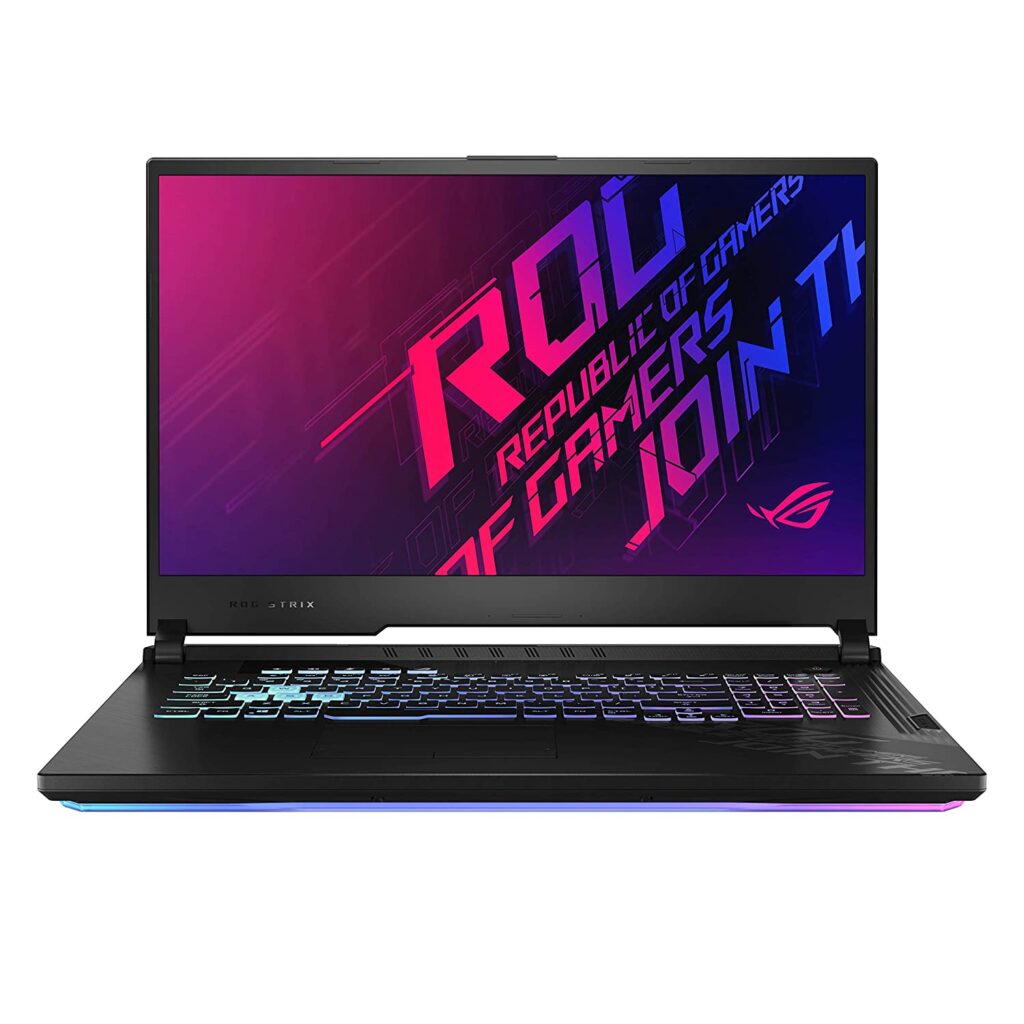
Specs of Asus ROG Strix G17 Laptop
- CPU: 2.6GHz Intel Core i7-10750H
- RAM: 16GB
- Storage: 512GB SSD
- Display: 17.3-inch FHD IPS (1920 x 1080)
- GPU: 8GB NVIDIA GeForce RTX 2070
- Battery: Up to 5 hours
2. Best for battery: HP Omen 15
If you are looking for a laptop that has a 144hz display as well as a good battery Life then HP Omen 15 is the laptop to go with.
It has all the Best Internals and upgradeability you will ever need in the long run. The Laptop is suitable for a wide variety of tasks such as Gaming, Rendering, Auto CAD, etc.
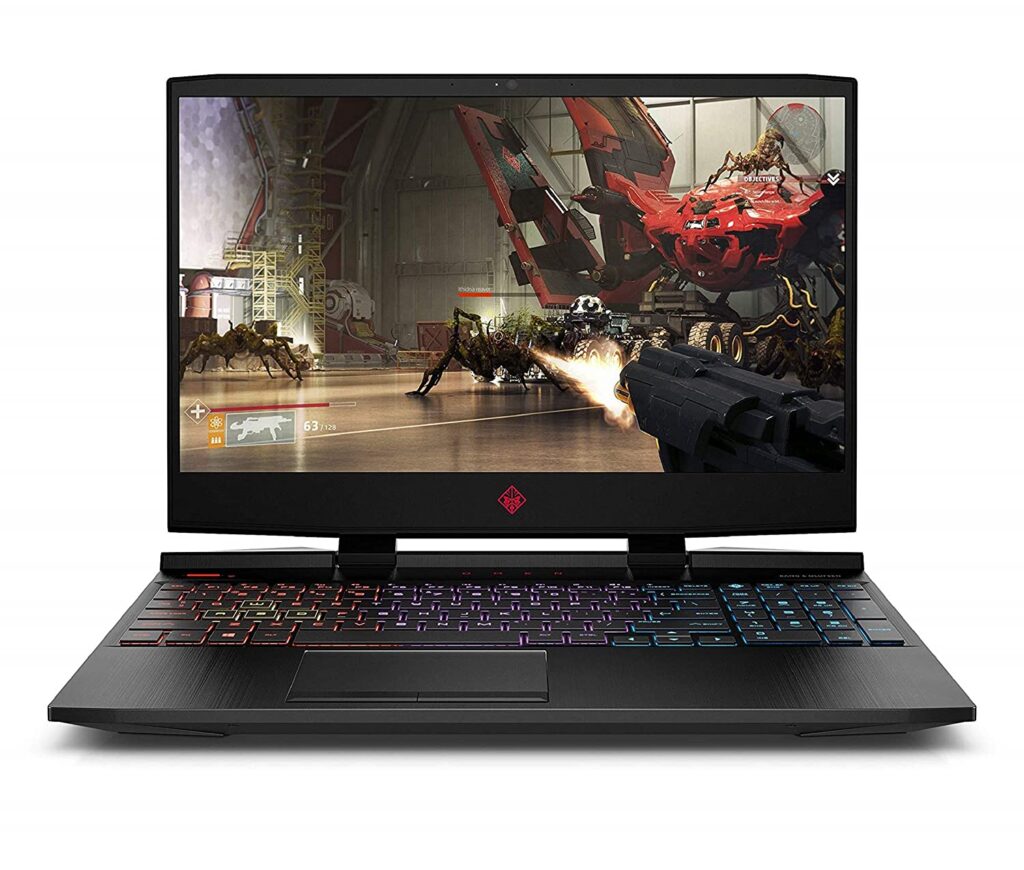
Specs of HP Omen 15
- CPU: 2.6GHz Intel Core i7-10750H
- RAM: 16GB
- Storage: 512GB SSD
- Display: 15.6-inch FHD IPS (1920 x 1080)
- GPU: 8GB NVIDIA GeForce RTX 2070 Max-Q
- Battery: Up to 7 hours
3. Best for RTX 2060: Acer Predator Helios 300
If you are looking for that RTX Punch but at a low cost, then this definitely is the laptop to go with.
The Acer predator Helios 300 comes with an Internal of 10th Gen intel Processor and RTX 2060 GPU which can perform all most all necessary Gaming and Creator Programs.
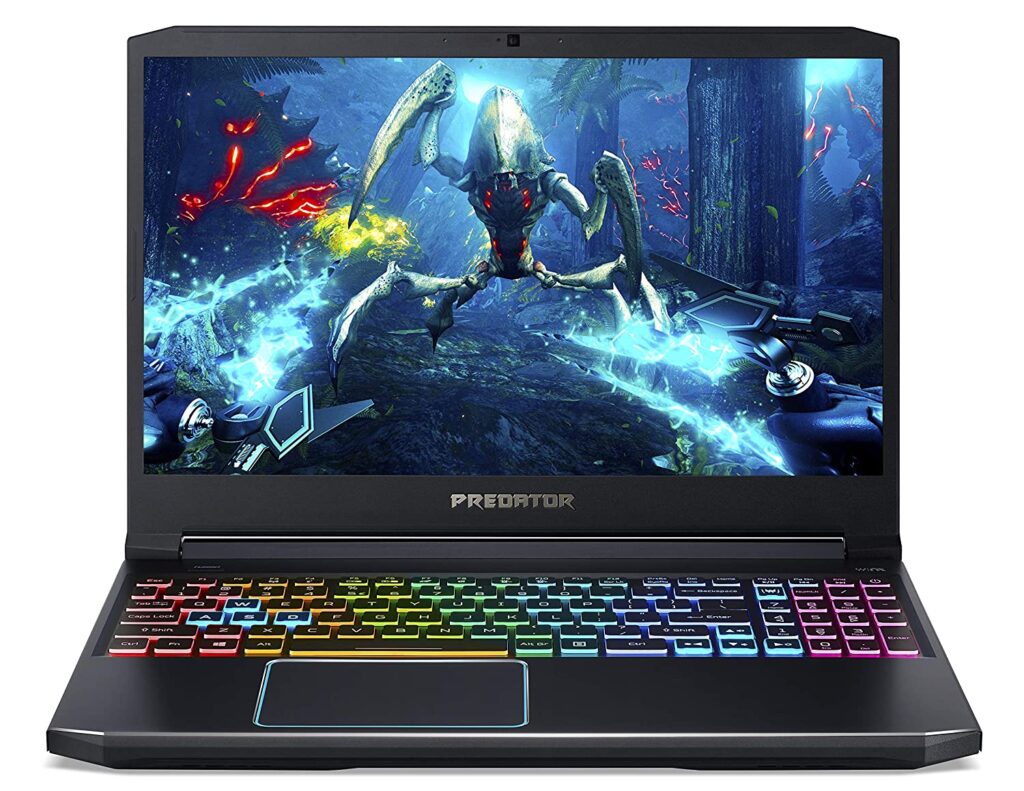
Specs of Acer Predator Helios 300
- CPU: 2.6GHz Intel Core i7-10750H
- RAM: 16GB
- Storage: 512GB SSD
- Display: 15.6-inch FHD IPS (1920 x 1080)
- GPU: 6GB NVIDIA GeForce RTX 2060
- Battery: Up to 6 hours
4. Best for Ryzen 7 – ROG Zephyrus G15
So are you a fan of the Ryzen Series and want the best from their lineup? Then ROG Zephyrus G15 is the laptop to go with.
Weighing in at just 4.85lbs, this streamlined gaming laptop is under 19mm yet equipped with the power to slice through popular games and everyday work. It’s a supremely versatile and affordable, subtle and elegant, hybrid device designed for content creators and gamers alike.
A slim chassis means difficult cooling, each component of our innovative cooling solution is carefully optimized for more airflow. Each fan blade is 33% thinner than conventional designs, and at 83 blades per fan, airflow rises by up to 17%, unlocking greater performance of the NVIDIA graphics card.
The new AMD Ryzen 4000HS processor has an energy-efficient design that optimizes between performance and power consumption, allowing the Zephyrus G to extend battery life while Wi-Fi web browsing or video playback. Do more on a single charge; surf, stream, and work on the go.
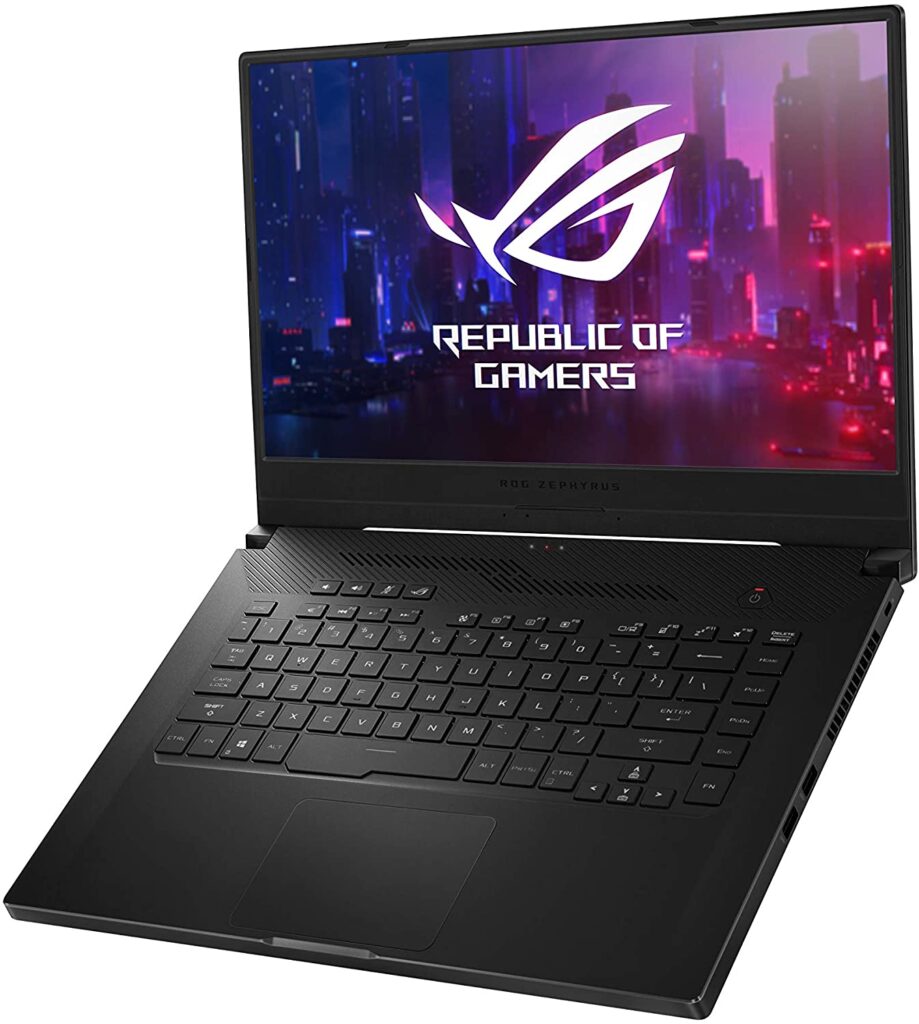
Specs of ROG Zephyrus G15
- NVIDIA GeForce GTX 1660 Ti 6GB GDDR6 with ROG Boost (Base 1140MHz Boost 1335MHz TDP 60W)
- AMD Ryzen 7 4800HS processor (up to 4.2GHz)
- 15.6” 144Hz IPS-Type Full HD (1920×1080) display
- 16GB 3200MHz DDR4 RAM | 1TB PCIe NVMe M 2 SSD | Backlit Precision Gaming Keyboard | Windows 10 Home
- 0.8” thin, 4.85-pound ultra-portable form-factor
- Gig+ Wi-Fi 6 (802.11ax) | USB Type-C charging capable
- ROG Intelligent Cooling system with self-cleaning anti-dust tunnels preserves cooling performance and system stability
5. Best laptop under 1000$ – Acer Nitro 5
If you are looking for a laptop thats cheap and under 1000$, then Acer Nitro 5 can be your Best Bet.
Its one heck of a Laptop for that price range and boasts almost all heavy specs. Plus it is also capable of delivering smooth Gameplay and Utilise that 144Hz Display.
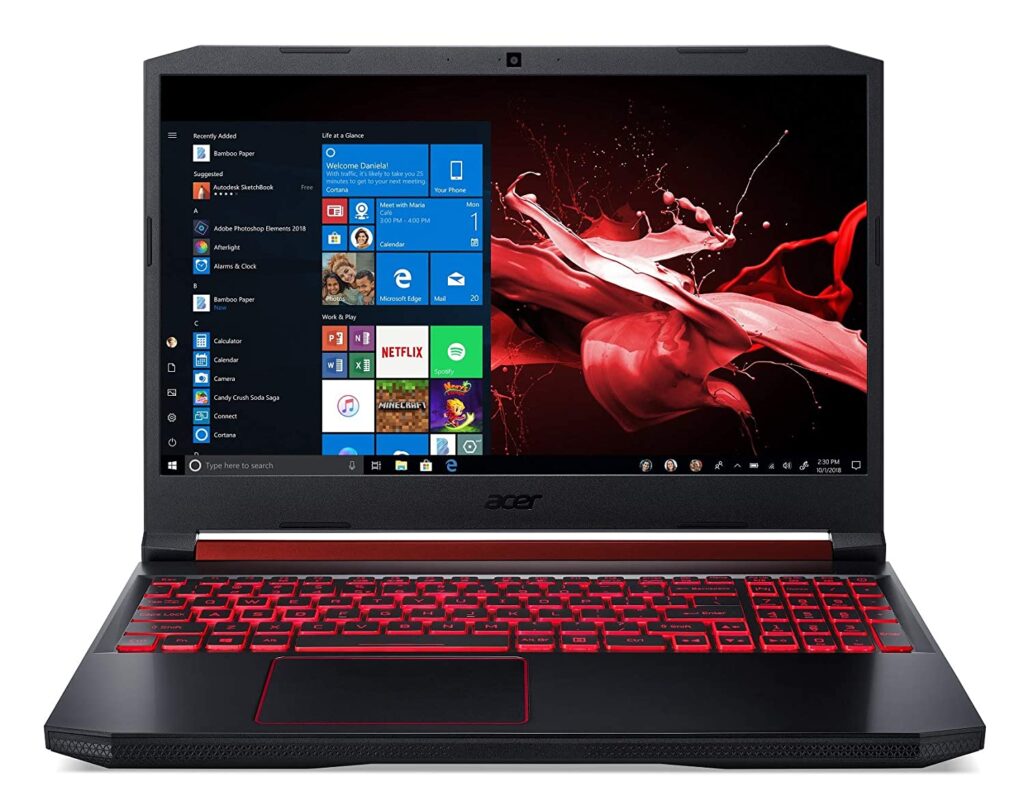
Specs of Acer Nitro 5
- CPU: 2.6GHz Intel Core i7-9750H
- RAM: 16GB
- Storage: 256GB SSD
- Display: 15.6-inch FHD IPS (1920 x 1080)
- GPU: 6GB NVIDIA GeForce RTX 2060
- Battery: Up to 8 hours
6. Dell’s Best: Alienware M15
The Dell Alienware M15 is the best of the Best which the famous PC Manufacturer DELL has to offer.
It boasts the Best Possible Internals you can find in a Laptop. It can do any sort of heavy and intensive workloads, whatever it maybe. This Laptop is designed to effeciently dissipate heat and perform at its peak.
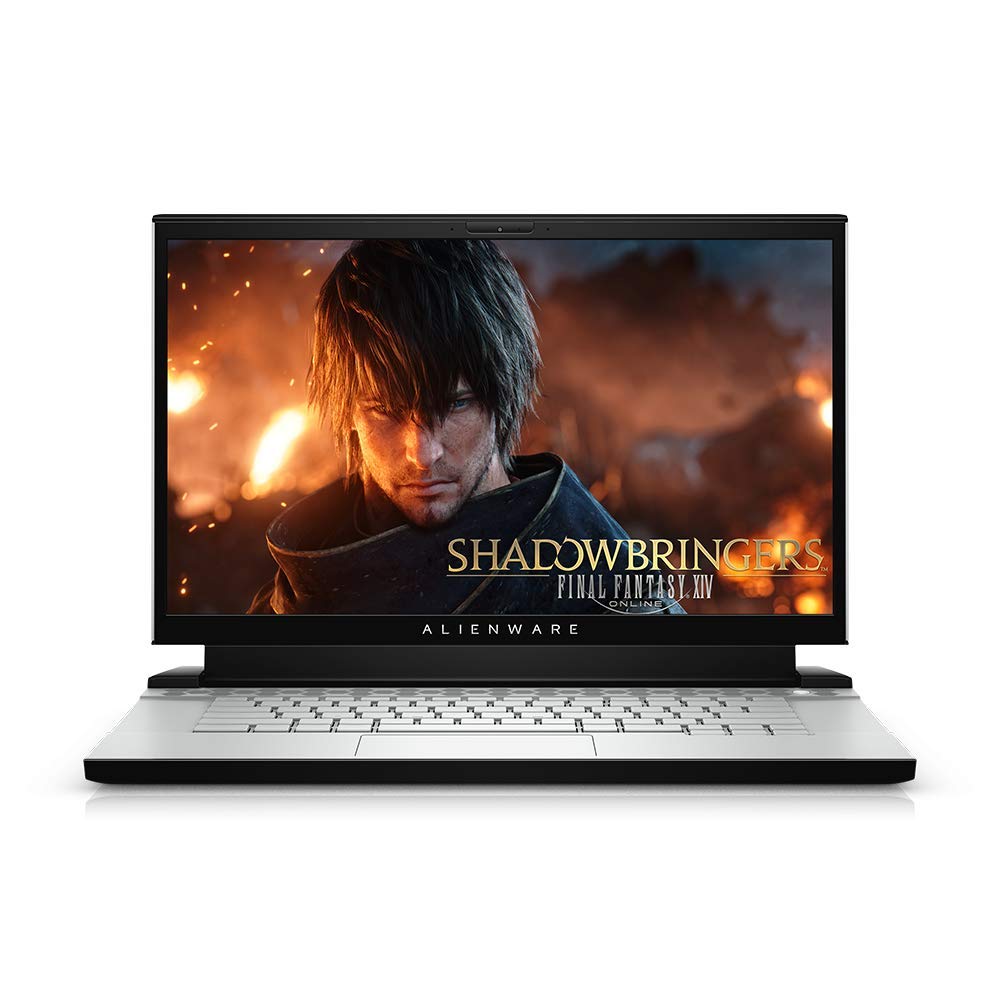
Specs of Alienware M15
- CPU: 2.6GHz Intel Core i7-9750H
- RAM: 16GB
- Storage: 512GB SSD
- Display: 15.6-inch FHD IPS (1920 x 1080)
- GPU: 6GB NVIDIA GeForce RTX 2060
- Battery: Up to 6 hours
7. Best of Razer and Thinnest: Razer Blade 15
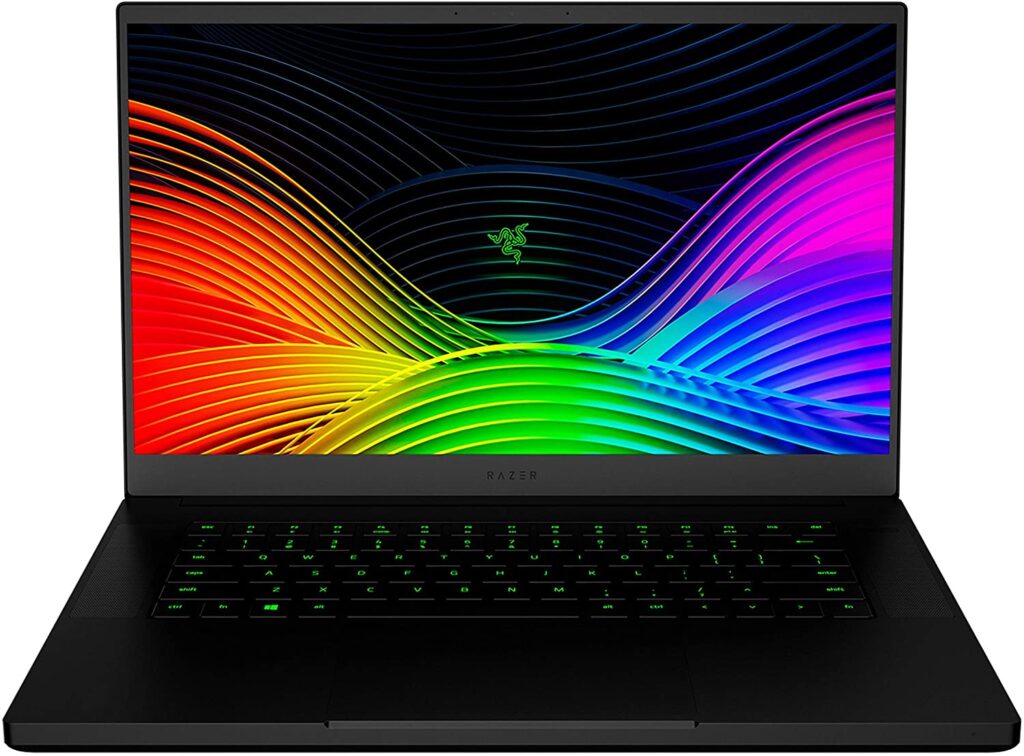
The Razer Blade 15 is an ultra compact NVIDIA GeForce RTX powered laptop that features the latest 9th Gen Intel Core i7 6 core processor, to deliver amazing performance and portability. The 15.6″ thin bezel 144Hz display provides an immersive and insanely fast visual experience for gaming and beyond.
With a full HD, 1920 x 1080 display and refresh rates of up to 144Hz, on-screen action is incredibly smooth and fluid. Enjoy colorful and accurate visuals with the thin bezel, factory calibrated 15.6″ display, with support for 100% sRGB color.
Precision crafted CNC aluminum unibody houses incredible performance in the most compact footprint possible, while remaining remarkably durable and just 0.78″ thin.
Specs of Razer Blade 15
- CPU: 2.6GHz Intel Core i7-9750H
- RAM: 16GB
- Storage: 256GB SSD
- Display: 15.6-inch FHD IPS (1920 x 1080)
- GPU: 6GB NVIDIA GeForce GTX 1660 Ti
- Battery: Up to 6 hours
Final Verdict
While staying inside our homes during this COVID-19 days, these 144Hz gaming Laptops are a deal breaker for many people. As they help us relax by offering the Best possible Outputs.
We hope that list has helped you in choosing your next Gaming Laptop. Feel free to comment down Below your suggestions and List any whether any more should be added to this list.



Gadgets
Best Smartphones of 2026: Top Picks That Are Worth Every Penny
Discover the best smartphones of 2026 — from the Samsung Galaxy S26 Ultra and iPhone 17 Pro Max to the Google Pixel 9 Pro and OnePlus 14 Pro. Our detailed guide covers specs, features, and which phone is right for you.


The smartphone market in 2026 is more exciting – and more competitive – than ever before. With foldable screens going mainstream, AI-powered cameras becoming the new standard, and battery technology finally catching up with our always-on lifestyles, there’s never been more choice at every price point. The lines between what was once considered premium and mid-range have blurred significantly – and that’s great news for everyone.
At The Tech Vamps, we’ll continue bringing you the most detailed, up-to-date coverage of everything happening in the smartphone world. Stay tuned for in-depth reviews of each device on this list – coming soon!
Table of Contents
1. iPhone 17 Pro Max – The Ultimate Flagship Experience
Apple’s latest flagship is everything you’d expect from a device carrying the “Pro Max” moniker. The 6.9-inch ProMotion LTPO display with 120Hz adaptive refresh rate delivers buttery-smooth scrolling and gaming, while the new A19 Bionic chip absolutely demolishes every benchmark thrown at it.
What sets it apart: The computational photography improvements are staggering. The 48MP main sensor, combined with the new periscope telephoto lens offering 10x optical zoom, makes this the best camera phone money can buy. Night mode has been refined to the point where low-light shots rival dedicated cameras.
Battery life has also seen meaningful gains – you’re looking at nearly two days of moderate use thanks to the more efficient chip and larger 5,000mAh battery. Face ID works flawlessly even in complete darkness, and the new titanium frame feels premium without adding unnecessary weight.
Price: Starting at $1,299 | Best for: Power users, photographers, iOS ecosystem loyalists
2. Samsung Galaxy S26 Ultra – The Android Powerhouse
Samsung continues to push the boundaries with the S26 Ultra, packing in features that put it toe-to-toe with the iPhone – and in some areas, surpassing it entirely. The 6.8-inch Dynamic AMOLED display with adaptive 1-120Hz refresh rate is simply stunning, with peak brightness hitting 2,800 nits for exceptional outdoor visibility.
Camera system: This is where Samsung truly shines. The quad-camera setup includes a 200MP main sensor, a 50MP periscope telephoto with 5x optical zoom, a 12MP ultra-wide, and a dedicated 10MP 3x telephoto. The level of detail captured – especially in 200MP mode – is remarkable.
The integrated S Pen remains a unique selling point, perfect for note-taking and creative work. Performance is stellar thanks to the Snapdragon 8 Gen 4 processor, coupled with up to 16GB of RAM. Multitasking is effortless, and gaming performance rivals dedicated gaming phones.
Price: Starting at $1,199 | Best for: Android enthusiasts, productivity users, photography lovers
3. Google Pixel 9 Pro – AI Photography Redefined
Google’s Pixel line has always been about intelligent software making up for less impressive hardware specifications – but the Pixel 9 Pro changes that equation. For the first time, Google has built a phone that excels in both hardware AND software.
The 6.7-inch LTPO OLED display supports 120Hz and features Google’s proprietary “Actua” display technology for incredible color accuracy. But it’s the camera where the Pixel 9 Pro truly dominates. The 50MP main sensor and 48MP telephoto work in perfect harmony with Google’s Tensor G4 chip and advanced AI algorithms.
Magic Editor has evolved dramatically – you can now completely reimagine photos, moving objects, changing backgrounds, and even adjusting lighting conditions post-capture. The “Best Take” feature ensures you’ll never have a photo ruined by someone blinking or looking away.
Real-world performance is snappy, though not quite matching the raw horsepower of the iPhone or Galaxy. Battery life is solid at a full day with the 5,050mAh battery, and the clean Android 17 experience remains unmatched.
Price: Starting at $999 | Best for: Photography enthusiasts, pure Android fans, AI early adopters
4. OnePlus 14 Pro – The Value Flagship
OnePlus has always positioned itself as the “flagship killer,” and the 14 Pro continues that tradition beautifully. You get premium specifications at a more palatable price point, making this one of the best value propositions in the flagship space.
The 6.82-inch QHD+ AMOLED display with LTPO 4.0 technology delivers smooth 120Hz performance while intelligently conserving battery. The Snapdragon 8 Gen 4 processor ensures you’re not sacrificing performance for the lower price.
Charging capabilities are industry-leading: 150W SuperVOOC wired charging takes you from 0-100% in just 18 minutes, while 50W wireless charging is among the fastest available. The Hasselblad-tuned camera system produces natural, accurate colors that many prefer over the sometimes over-processed shots from competitors.
OxygenOS 17 strikes a good balance between features and bloat, though it’s not quite as clean as stock Android. Build quality is excellent, with a premium glass-and-metal construction that doesn’t feel like a compromise.
Price: Starting at $899 | Best for: Value seekers, fast-charging enthusiasts, balanced performance
5. Xiaomi 16 Ultra – The Camera Specialist
Xiaomi’s Ultra series has become synonymous with camera excellence, and the 16 Ultra takes that reputation to new heights. Co-engineered with Leica, this phone packs one of the most versatile camera systems available.
The massive 1-inch main sensor captures exceptional detail and dynamic range, while the variable aperture (f/1.4-f/4.0) gives you DSLR-like depth-of-field control. The dual telephoto setup offers both 3.2x and 5x optical zoom, and the computational photography produces stunning results in all conditions.
The 6.73-inch AMOLED display is gorgeous, and performance from the Snapdragon 8 Gen 4 is excellent. The 5,300mAh battery with 120W wired and 80W wireless charging ensures you’re never tethered to an outlet for long.
International availability remains limited, and MIUI 18 (despite improvements) still feels heavy compared to cleaner Android skins. But for photography enthusiasts willing to import or those in markets where it’s officially sold, this is a serious contender.
Price: Starting at $1,099 | Best for: Photography pros, camera enthusiasts, international users
6. Oppo Find X8 Pro – The Display Champion
Oppo’s Find X series has always emphasized display quality, and the X8 Pro features what many consider the best smartphone screen in 2026. The 6.82-inch AMOLED panel with micro-lens array technology delivers phenomenal brightness, color accuracy, and viewing angles.
The Hasselblad partnership continues here as well, bringing professional color grading to mobile photography. The quad-camera setup is versatile and capable, though not quite matching the Xiaomi or Samsung in raw capability.
What Oppo excels at is software features: ColorOS 17 is feature-rich without feeling overwhelming, multitasking implementations are clever, and the overall user experience is polished. The 5,000mAh battery with 100W charging and excellent optimization easily lasts a full day.
Price: Starting at $999 | Best for: Display quality seekers, multimedia consumers, feature enthusiasts
Final Thoughts
2026 is genuinely one of the best years to be a smartphone buyer. Whether you’re investing in a flagship powerhouse like the iPhone 17 Pro Max or Samsung Galaxy S26 Ultra, exploring the AI-photography excellence of the Pixel 9 Pro, or going for the value-packed OnePlus 14 Pro or Xiaomi 16 Ultra, there’s never been more choice at every price point. The lines between what was once considered premium and mid-range have blurred significantly – and that’s great news for everyone.
At The Tech Vamps, we’ll continue bringing you the most detailed, up-to-date coverage of everything happening in the smartphone world. Stay tuned for in-depth reviews of each device on this list – coming soon!
Image Credits: All photos used in this post are from Pexels and are free to use for commercial and non-commercial purposes under the Pexels License. Individual photographer credits are provided in image captions.

According to a recent survey, Realme was the fastest-growing 5G Android smartphone brand in the world in Q3 2021, with sales up 831 percent year over year (YoY). Realme’s sales also outperformed global 5G smartphone sales, which increased by 121 percent year over year.
In India, where 5G technology has yet to be implemented, Realme’s 5G sales climbed 9,519 percent year over year. According to the Department of Telecommunications (DoT), 5G telecom services would be available in certain Indian cities in 2022, a year when demand for 5G devices is likely to increase.
According to Counterpoint Research’s monthly Market Pulse Service report, Realme’s sales growth enabled the company maintain its sixth-place ranking in worldwide 5G Android smartphone sales for the second quarter in a row.
Realme India CEO Madhav Sheth stated earlier this year that the company aspires to be India’s 5G leader. In addition, the company is working to introduce 5G technology to the sub-Rs. 10,000 market. Realme’s excellent multi-channel strategy and a large 5G offering across pricing bands, according to Research Director Tarun Pathak, helped it expand the fastest.
Its sister brands Oppo (165 percent growth) and Vivo (147 percent growth) came in second and third place in the worldwide market, respectively, selling mid-to-high-end 5G smartphones. BBK Electronics, based in China, owns all of these businesses.
Another Chinese firm, Xiaomi, came in fourth place with a 134 percent year-over-year increase in 5G smartphone sales. Samsung came in fifth place, with a 70 percent increase from Q3 2020. In Q4 2020, Apple, the current 5G market leader, will enter the 5G smartphone market.
“5G has permeated the market far faster than its predecessor. As 5G technology advances, we enter the next phase of expansion, which will be aided by maturing and expanding device portfolios. Furthermore, due to the increased availability of 5G components, the firms actively promoted 5G handsets,” Pathak noted.
In terms of regional growth, Realme 5G smartphone sales increased 9,519 percent year over year in India, a country that will introduce 5G technology in select locations in 2022. China had the second-best growth, with 5G sales increasing by 830 percent year over year, making it one of China’s fastest-growing 5G smartphone brands. Europe had the third-highest growth rate.
“As 5G rollouts increase up, Realme’s 5G expansion in emerging regions has also positioned it well for the future.” All OEMs will need to focus on affordability and accessibility in order to take advantage of the massive 5G opportunity,” said Varun Mishra, Senior Analyst.
Neural Implants 2026: Neuralink and Brain-Computer Interfaces Become Reality
6G Networks Coming in 2026: What’s Beyond 5G and Why It Matters
AI Agents Are Taking Over: How Gemini’s Task Automation Changes Everything
Best Smartphones of 2026: Top Picks That Are Worth Every Penny

Peering Through the Apple Vision Pro: A New Perspective on Smart Glasses

The Age of Generative Photography in Art: Transforming Pixels into Masterpieces

Introducing the Powerful M3 Chip: Redefining the MacBook Pro Experience

Exploring the Advanced Features of Chat GPT-4: The Next-Level AI-Language Model

TheTechVamps is Back: A New Chapter Begins

Fastest Growing 5G Smarphone Brand Globally : Q3 2021 Reports

Download Grand Theft Auto V Reloaded (Ultimate Repack)

Make Custom Fortnite Skin in 6 easy steps

Are Bitcoin Transactions Anonymous? Everything Explained

How to Stop Discord From Opening On Startup – Full Guide
Top 7 Games You Can Play With Intel HD 5500, 8GB of RAM, and an Intel i5 Processor

What Is Quickbooks Online – Top Benefits of the Software Package

Email Archiving Open Source – What You Must Learn

10 Best Fortnite Discord Servers of 2020 – Links Included

What is The Name of the General Ledger that Tracks all Bitcoin Transactions?

How to Convert Website Traffic into Qualified Leads using Fastbase and Google Analytics
-

 Gaming6 years ago
Download Grand Theft Auto V Reloaded (Ultimate Repack)
-

 Gaming6 years ago
Make Custom Fortnite Skin in 6 easy steps
-
 Cryptocurrency6 years ago
Are Bitcoin Transactions Anonymous? Everything Explained
-
Technology6 years ago
How to Stop Discord From Opening On Startup – Full Guide
-

 Gaming6 years ago
Top 7 Games You Can Play With Intel HD 5500, 8GB of RAM, and an Intel i5 Processor
-

 Technology6 years ago
What Is Quickbooks Online – Top Benefits of the Software Package
-
Technology6 years ago
Email Archiving Open Source – What You Must Learn
-

 Gaming6 years ago
10 Best Fortnite Discord Servers of 2020 – Links Included


Pingback: The Best Laptops Under $1000 to Buy in 2020