Technology
Peering Through the Apple Vision Pro: A New Perspective on Smart Glasses

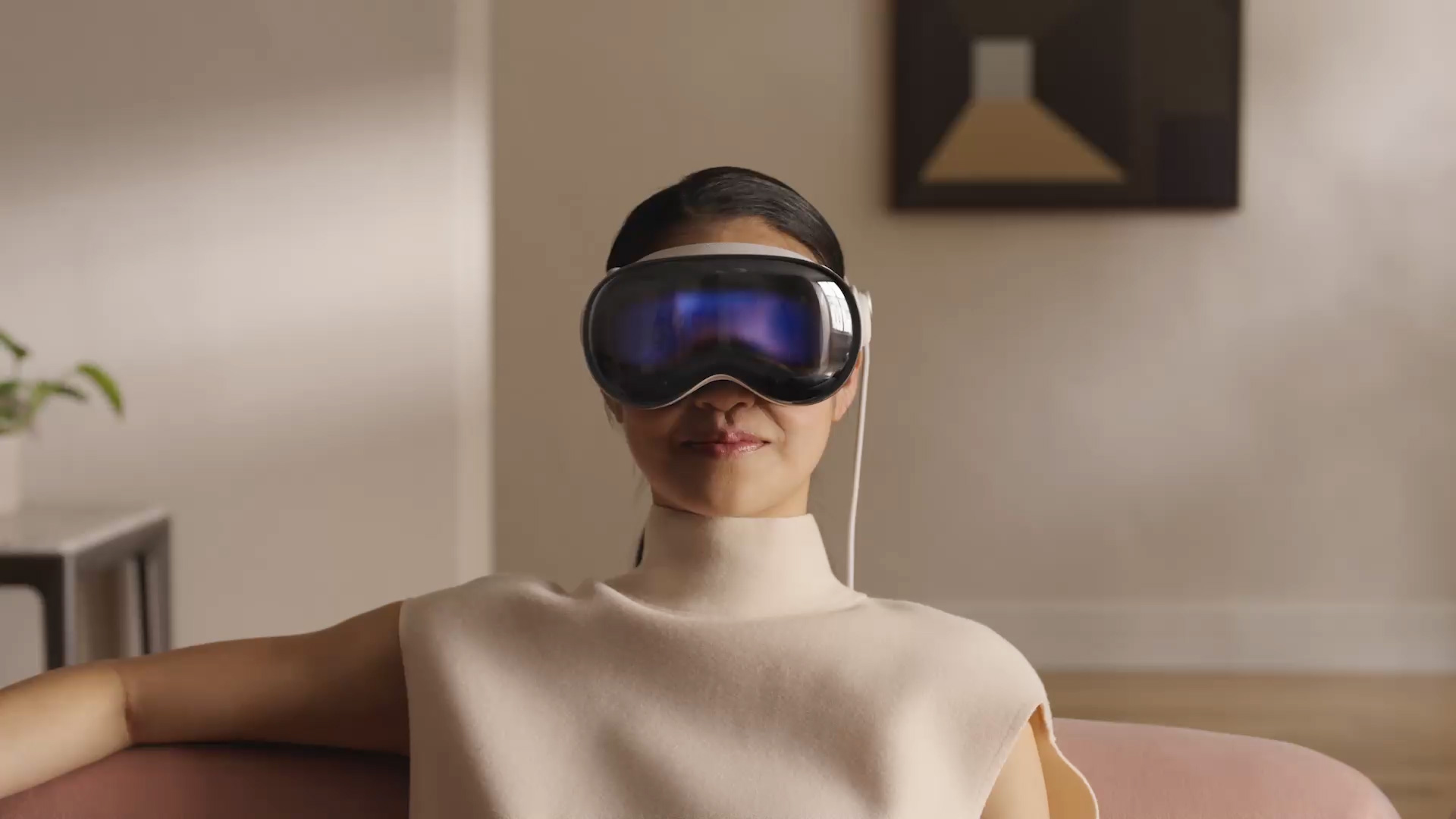
Discover the Future of Sight: Apple Vision Pro Unveils a Revolutionary Leap in Smart Glasses Technology and Augmented Reality Wearables.
Peering through the lens of the Apple Vision Pro, one is transported into a realm where smart glasses technology merges seamlessly with everyday life, offering a glimpse into the future of augmented reality wearables. This review will explore the intricate weave of innovation that Apple has spun into its smart eyewear, providing an insightful analysis of how these AR glasses stand to redefine our interaction with the digital world. As we explore the features, design, and user experience of the Apple Vision Pro, we invite you to join us in discovering how this cutting-edge technology could alter the fabric of our technological interactions and open up new vistas of possibility.
Table of Contents
- Unveiling the Apple Vision Pro: A Comprehensive Review
- The Evolution of Smart Glasses Technology: Where Does Apple Stand?
- Navigating the World with Augmented Reality Wearables: The Apple Vision Pro Experience
- Apple Smart Eyewear: Blending Style with Cutting-Edge Functionality
- Innovations in AR Glasses: How the Apple Vision Pro is Redefining the Genre
- How does the Apple Vision Pro enhance everyday experiences with augmented reality wearables?
- What are the standout features of the Apple Smart Eyewear in comparison to other smart glasses on the market?
- Can the Apple Vision Pro smart glasses technology replace traditional devices like smartphones or tablets?
- How has innovations in AR glasses been pushed forward by the release of Apple Vision Pro?
- What do reviews generally say about the user experience of the Apple Vision Pro?
- Conclusion
Unveiling the Apple Vision Pro: A Comprehensive Review
The Apple Vision Pro emerges as a beacon of innovation in the burgeoning field of smart glasses technology. Its sleek design belies the powerful technology housed within its frames. The high-resolution displays integrated into each lens offer users a crisp and vibrant view of their augmented world, with minimal intrusion into their field of vision. The responsive touchpad located on the side arms allows for intuitive control, ensuring that users can navigate through menus and applications with ease.Audio innovation is another standout feature, with spatial audio capabilities that create an immersive sound experience without the need for earphones. This not only enhances privacy but also maintains a connection with the environment. The Apple Vision Pro’s voice control is underpinned by Siri, which has been refined to understand context and nuance better than ever before.Battery life is a common concern with wearable technology, but the Apple Vision Pro addresses this with an all-day battery that supports wireless charging. This commitment to longevity ensures that users can rely on their smart glasses throughout their daily activities without fear of losing connection to their digital lives.
The Evolution of Smart Glasses Technology: Where Does Apple Stand?
Apple’s foray into smart glasses technology did not happen in isolation. The sector has seen various iterations and improvements over the years, with numerous companies attempting to strike a balance between functionality and wearability. However, where Apple stands out is in its dedication to refining these aspects to near perfection.The Apple Vision Pro builds upon lessons learned from earlier attempts by competitors, integrating advanced AR capabilities while maintaining a form factor that is both comfortable and stylish. This evolution is marked by Apple’s use of custom chipsets that optimise performance while conserving power, a critical factor in wearable tech.Moreover, Apple’s robust ecosystem allows for seamless integration with other devices, enhancing the utility of the Vision Pro. Whether it’s picking up a call from your iPhone or receiving turn-by-turn navigation from Maps, the interoperability is smooth and intuitive. This synergy between devices is not just convenient; it’s transformative, allowing users to stay connected in ways previously unimagined.
Navigating through your day-to-day life with the Apple Vision Pro offers an unparalleled experience. Augmented reality overlays digital information onto the physical world, and with the Vision Pro, this technology reaches new heights of clarity and relevance. Imagine walking down the street and seeing directional arrows on the pavement, guiding you to your destination, or looking at a restaurant and instantly viewing its menu and ratings.The potential for professional use is equally impressive. Architects could visualise buildings within a real-world context, while surgeons could have vital statistics and imaging displayed right before their eyes during procedures. The applications are as varied as they are groundbreaking.Privacy concerns are paramount when it comes to AR wearables, and Apple addresses this by implementing sophisticated data protection measures. Users can trust that their information is secure and that they have control over what they share and when.
Apple Smart Eyewear: Blending Style with Cutting-Edge Functionality
Apple has always placed a premium on design, and the Vision Pro smart eyewear is no exception. These glasses don’t just serve as a portal to augmented reality; they’re also a fashion statement. Available in various styles and finishes, they can complement any look, from business casual to evening chic.The materials used are lightweight yet durable, ensuring comfort during extended wear while also standing up to the rigours of daily use. The attention to detail extends to the lenses themselves, which are treated to be scratch-resistant and anti-reflective.But style does not come at the expense of functionality. Each pair is equipped with advanced sensors that detect gestures and eye movements, allowing users to interact with their device in a way that feels natural and unobtrusive. This harmony between form and function sets a new standard for what smart eyewear can be.
Innovations in AR Glasses: How the Apple Vision Pro is Redefining the Genre
The innovations present in the Apple Vision Pro mark a significant leap forward for AR glasses. One of the most notable advancements is in the realm of personalised experiences. The Vision Pro uses machine learning to understand user preferences and habits, tailoring notifications and content to suit individual needs.The environmental awareness of the device is another groundbreaking feature. Using LiDAR technology, the glasses can map surroundings in real-time, allowing for more accurate and responsive AR interactions. This not only improves user experience but also opens up new possibilities for app developers to create rich, immersive applications that interact with the world around us.Lastly, health monitoring capabilities have been subtly integrated into the design. The Vision Pro can track metrics such as heart rate and steps taken, encouraging users to stay active and mindful of their wellness. These health features blend seamlessly into the overall experience, reinforcing Apple’s commitment to enhancing lives through technology.
How does the Apple Vision Pro enhance everyday experiences with augmented reality wearables?
The Apple Vision Pro smart glasses are designed to seamlessly integrate augmented reality into daily life. By projecting information directly into the user’s field of vision these glasses allow for real-time interaction with notifications navigation and multimedia content without the need to look away from what you’re doing. Imagine walking down the street and getting turn-by-turn directions overlaid onto the real world or viewing a recipe right in front of your eyes while cooking. The hands-free convenience and immersive experience offered by the Apple Vision Pro make it a significant step forward in augmented reality wearables.
What are the standout features of the Apple Smart Eyewear in comparison to other smart glasses on the market?
Apple’s foray into smart eyewear with the Vision Pro brings several standout features that set it apart from competitors. One of the most talked-about features is its advanced retina display which offers crisp and vibrant visuals without being intrusive. Additionally the integration with Apple’s ecosystem allows for a seamless connection with other Apple devices enhancing functionality and user experience. The glasses also boast a sleek design that aligns with Apple’s aesthetic making them not only technologically advanced but also fashion-forward. Battery life and privacy features are also areas where the Apple Vision Pro outshines others offering users peace of mind and extended use throughout their day.
Can the Apple Vision Pro smart glasses technology replace traditional devices like smartphones or tablets?
While the Apple Vision Pro smart glasses offer an array of functionalities that overlap with smartphones and tablets they are not intended to replace these devices completely. Instead they complement them by providing an alternative way to access information and perform certain tasks. For instance while you might still prefer to watch a movie on your tablet’s larger screen the Vision Pro can provide quick glances at messages or emails without having to pull out your phone. They’re particularly useful for situations where using your hands or looking down at a screen is inconvenient or unsafe such as when you’re cycling or carrying groceries.
How has innovations in AR glasses been pushed forward by the release of Apple Vision Pro?
The release of the Apple Vision Pro has undoubtedly accelerated innovation in the AR glasses sector. Apple’s reputation for high-quality user-friendly products means that their entry into this market has raised expectations for what smart glasses can do. The Vision Pro’s sophisticated design and functionality have encouraged competitors to push the boundaries of their own AR technology. Moreover developers are now more incentivised to create apps and experiences tailored to AR wearables knowing there’s a high-quality platform available that can support more complex and engaging augmented reality experiences.
What do reviews generally say about the user experience of the Apple Vision Pro?
Reviews of the Apple Vision Pro have been largely positive with many users praising its intuitive interface and ease of use. Critics have highlighted how the glasses feel natural to wear with notifications and information appearing unobtrusively in the wearer’s line of sight. The device’s lightweight design has also received commendations making it comfortable for extended wear. Users have expressed appreciation for the customisation options available allowing them to tailor their experience to their preferences and needs. While there is always room for improvement such as expanding the app ecosystem the consensus is that Apple has delivered a compelling product that enhances how we interact with technology.
Conclusion
After an in-depth exploration of the Apple Vision Pro it’s clear that these smart glasses are a leap forward in augmented reality wearables. The Apple Vision Pro review highlights its cutting-edge smart glasses technology seamlessly integrating with our daily lives. The innovations in AR glasses have been redefined by Apple’s smart eyewear offering users an unparalleled experience. Don’t miss out on the opportunity to elevate your tech wardrobe; experience the future of augmented reality by getting your hands on the Apple Vision Pro today.

Technology
Neural Implants 2026: Neuralink and Brain-Computer Interfaces Become Reality
Neuralink and brain-computer interfaces become reality in 2026. Discover how neural implants are helping paralyzed patients, the latest BCI breakthroughs, and what this means for the future of humanity.


Table of Contents
The Future of Human-Computer Interaction
2026 marks a turning point in brain-computer interface (BCI) technology. Neuralink and competing companies have successfully implanted neural devices in dozens of patients, enabling direct communication between the human brain and digital devices. This technology promises to revolutionize healthcare, gaming, and human potential itself.
Neuralink’s Latest Breakthrough
Elon Musk’s Neuralink has successfully implanted its N1 chip in 47 patients as of March 2026. The results are remarkable:
– Paralyzed patients controlling computers and smartphones with thought alone
– Text input speeds reaching 90 words per minute through neural signals
– Restoration of basic movement in previously paralyzed limbs
– Direct visual cortex stimulation helping blind patients perceive shapes
The device features 1,024 electrodes across 64 threads, each thinner than a human hair, implanted precisely using a surgical robot.
Competing Technologies
Synchron: Uses a less invasive approach with a stent-like device inserted through blood vessels. Already approved for commercial use in Australia.
Blackrock Neurotech: Their Utah Array has been used in research for years and shows promising results for prosthetic control.
Kernel: Developing non-invasive neural interfaces using advanced sensors.
Paradromics: Building high-bandwidth neural interfaces for medical applications.
Medical Applications
Brain-computer interfaces are transforming medicine:
Paralysis Treatment: Patients with spinal cord injuries regaining ability to control external devices and even their own limbs through electrical stimulation.
Stroke Recovery: Accelerated rehabilitation through real-time feedback and brain plasticity enhancement.
Epilepsy Control: Predicting and preventing seizures before they occur.
Depression Treatment: Targeted deep brain stimulation for treatment-resistant depression.
Alzheimer’s Prevention: Early detection and potential intervention in cognitive decline.
Beyond Medicine
The implications extend far beyond healthcare:
Enhanced Gaming: Control games directly with thought, creating unprecedented immersion.
Accelerated Learning: Direct knowledge transfer and enhanced memory formation.
Communication: Thought-to-text and potentially thought-to-thought communication.
Workforce Enhancement: Controlling multiple devices simultaneously, superhuman multitasking.
Ethical Concerns
As this technology advances, serious ethical questions emerge:
– Privacy: Who owns your brain data?
– Security: Can neural implants be hacked?
– Inequality: Will BCIs create a cognitive divide between rich and poor?
– Identity: How do neural implants affect our sense of self?
– Consent: What about cognitive enhancement in children?
Regulatory Landscape
The FDA has established new guidelines for neural implants in 2026:
– Mandatory long-term safety studies
– Strict data privacy protections
– Regular device monitoring and updates
– Patient rights to data deletion
– Prohibition of enhancement uses until further research
The Technology Behind BCIs
Modern BCIs use several approaches:
Invasive: Electrodes implanted directly in brain tissue (Neuralink)
Semi-invasive: Devices placed under the skull but above brain tissue
Non-invasive: External sensors reading brain activity (EEG-based)
Signal processing involves:
– Machine learning to decode neural patterns
– Real-time filtering of noise and artifacts
– Adaptive algorithms that improve with use
– Bi-directional communication (reading and stimulating)
Looking Ahead
Experts predict that by 2030:
– 10,000+ people will have neural implants
– Non-invasive BCIs will reach commercial viability
– Bandwidth will increase 100x
– Costs will drop below $10,000 per implant
– Consumer applications will begin emerging
The brain-computer interface revolution is just beginning. As technology improves and becomes more accessible, we may be witnessing the dawn of humanity’s next evolutionary leap—not through biology, but through technology.
Technology
6G Networks Coming in 2026: What’s Beyond 5G and Why It Matters
Discover 6G networks coming in 2026. Learn about speeds 100x faster than 5G, terahertz communications, holographic meetings, and what this next-generation wireless technology means for the future.

Table of Contents
The Next Generation of Connectivity
While 5G is still rolling out globally, tech companies and researchers are already working on 6G networks. The first 6G trials began in 2026, promising speeds 100 times faster than 5G and latency so low it’s virtually imperceptible. Here’s everything you need to know about the future of wireless connectivity.What is 6G?
6G, or sixth-generation wireless, is the successor to 5G networks. Expected to be commercially available around 2030, early trials and research are happening now in 2026. Key specifications include: – Peak data rates: Up to 1 Tbps (terabit per second) – Latency: Less than 1 millisecond – Frequency bands: 100 GHz to 3 THz (terahertz spectrum) – AI integration: Native artificial intelligence capabilities – Energy efficiency: 100x more efficient than 5GKey Differences Between 5G and 6G
Speed: 5G offers up to 10 Gbps, while 6G aims for 1 Tbps—making it 100 times faster. Latency: 5G has 1-4ms latency; 6G targets sub-1ms for true real-time applications. Spectrum: 6G uses much higher frequency bands, enabling massive bandwidth. AI Integration: Unlike 5G, 6G networks will have AI built into the infrastructure. Applications: 6G will enable holographic communications, digital twins, and immersive metaverse experiences.Who’s Leading 6G Development?
Several countries and companies are racing to lead 6G: China: Has invested over $180 billion in 6G research and launched test satellites. South Korea: Samsung and LG are conducting extensive 6G trials with speeds exceeding 200 Gbps in lab conditions. Japan: NTT DoCoMo aims for 6G commercial launch by 2030. United States: Nokia, Qualcomm, and major universities are collaborating on 6G research. Finland: The University of Oulu’s 6G Flagship program is pioneering research.Revolutionary Applications of 6G
Holographic Communication: Real-time, life-sized 3D holograms for meetings and entertainment. Digital Twins: Perfect virtual replicas of cities, factories, and infrastructure for simulation and optimization. Extended Reality (XR): Seamless AR/VR experiences indistinguishable from reality. Remote Surgery: Surgeons performing operations on patients thousands of miles away with zero lag. Autonomous Everything: Self-driving cars, drones, and robots communicating instantaneously. Brain-Computer Interfaces: Direct neural interfaces enabled by ultra-low latency. Climate Monitoring: Real-time environmental sensing at unprecedented scale.Technical Innovations
6G introduces several breakthrough technologies: Terahertz Communications: Using frequencies between 100 GHz and 10 THz for massive bandwidth. Reconfigurable Intelligent Surfaces: Smart surfaces that can reflect and redirect signals dynamically. AI-Native Networks: Machine learning integrated at every network layer. Quantum Communications: Unhackable communication channels using quantum entanglement. Visible Light Communication: Using LED lights for data transmission.Challenges to Overcome
Despite the promise, 6G faces significant hurdles: – Terahertz waves have very short range and can’t penetrate walls – Requires completely new infrastructure – Higher power consumption concerns – Regulatory challenges for new spectrum allocation – Cost of deployment will be enormous – Health effects of terahertz radiation need studyEnvironmental Impact
Unlike previous generations, 6G is being designed with sustainability in mind: – Energy-efficient network design reducing carbon footprint – Enabling smart grids for renewable energy optimization – Supporting climate change monitoring and mitigation – Reducing need for physical travel through immersive telepresenceWhen Will 6G Be Available?
2026-2028: Research and development, initial trials 2028-2029: Standards finalization, prototype networks 2030: First commercial 6G networks in select cities 2032-2035: Widespread global deploymentImpact on Industries
Healthcare: Remote surgery, real-time patient monitoring, AI diagnostics Manufacturing: Fully automated smart factories with digital twin optimization Entertainment: Holographic concerts, immersive metaverse experiences Transportation: Swarms of autonomous vehicles communicating in real-time Education: Holographic teachers, immersive virtual classroomsThe Bottom Line
6G represents a fundamental shift in wireless technology. While 5G improved upon 4G, 6G will enable entirely new applications impossible with current technology. The ability to transmit data at terabit speeds with near-zero latency will transform how we work, communicate, and live. As trials continue in 2026, we’re getting our first glimpse of this incredible future. The race is on to make 6G a reality by 2030.Neural Implants 2026: Neuralink and Brain-Computer Interfaces Become Reality
6G Networks Coming in 2026: What’s Beyond 5G and Why It Matters
AI Agents Are Taking Over: How Gemini’s Task Automation Changes Everything
Best Smartphones of 2026: Top Picks That Are Worth Every Penny

Peering Through the Apple Vision Pro: A New Perspective on Smart Glasses

The Age of Generative Photography in Art: Transforming Pixels into Masterpieces

Introducing the Powerful M3 Chip: Redefining the MacBook Pro Experience

Exploring the Advanced Features of Chat GPT-4: The Next-Level AI-Language Model

TheTechVamps is Back: A New Chapter Begins

Fastest Growing 5G Smarphone Brand Globally : Q3 2021 Reports

Download Grand Theft Auto V Reloaded (Ultimate Repack)

Make Custom Fortnite Skin in 6 easy steps

Are Bitcoin Transactions Anonymous? Everything Explained

How to Stop Discord From Opening On Startup – Full Guide
Top 7 Games You Can Play With Intel HD 5500, 8GB of RAM, and an Intel i5 Processor

What Is Quickbooks Online – Top Benefits of the Software Package

Email Archiving Open Source – What You Must Learn

10 Best Fortnite Discord Servers of 2020 – Links Included

What is The Name of the General Ledger that Tracks all Bitcoin Transactions?

How to Convert Website Traffic into Qualified Leads using Fastbase and Google Analytics
-

 Gaming6 years ago
Download Grand Theft Auto V Reloaded (Ultimate Repack)
-

 Gaming6 years ago
Make Custom Fortnite Skin in 6 easy steps
-
 Cryptocurrency6 years ago
Are Bitcoin Transactions Anonymous? Everything Explained
-
Technology6 years ago
How to Stop Discord From Opening On Startup – Full Guide
-

 Gaming6 years ago
Top 7 Games You Can Play With Intel HD 5500, 8GB of RAM, and an Intel i5 Processor
-

 Technology6 years ago
What Is Quickbooks Online – Top Benefits of the Software Package
-
Technology6 years ago
Email Archiving Open Source – What You Must Learn
-

 Gaming6 years ago
10 Best Fortnite Discord Servers of 2020 – Links Included